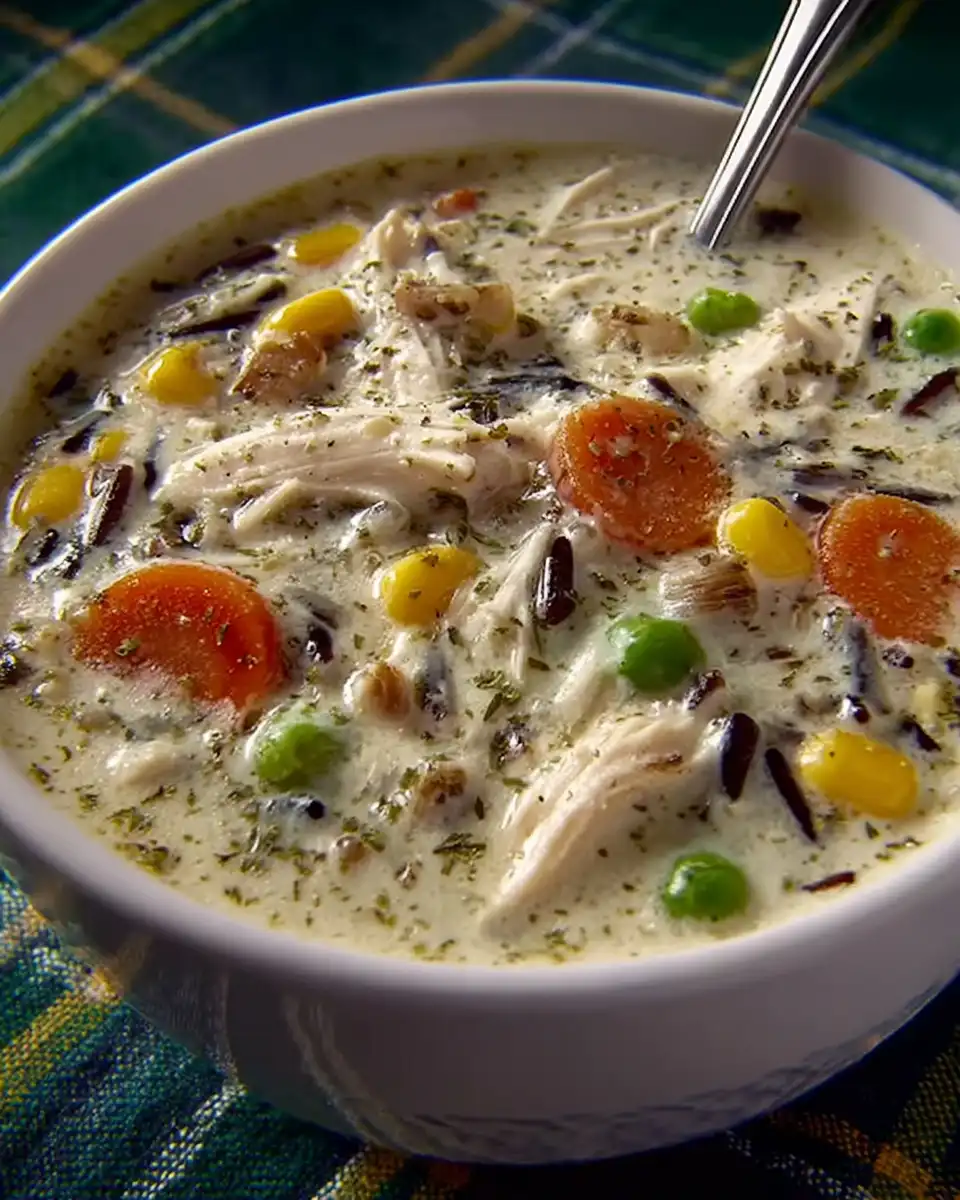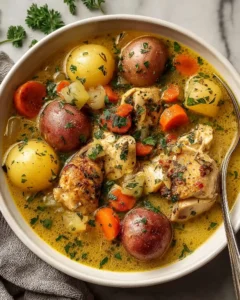
When the temperatures dip and comfort food calls, nothing beats the best chicken stew recipe. Rich, hearty, and layered with flavors, this dish transforms simple ingredients into a satisfying one-pot meal. Unlike many stews that rely on wine or cured meats like bacon or ham, this recipe keeps things wholesome and inclusive without sacrificing any depth of flavor. The star? Tender chicken thighs simmered slowly with aromatic herbs, vegetables, and creamy baby potatoes.
Packed with protein, fiber, and soul-soothing warmth, this chicken stew is perfect for cozy weeknights, family dinners, or meal prep. From the golden sear on the chicken to the fragrant rosemary and thyme, each bite offers a burst of comfort. Whether you’re new to cooking or a seasoned home chef, this step-by-step guide ensures foolproof results every time.
Selecting the Best Ingredients for Flavor and Nutrition
Creating the best chicken stew recipe begins with choosing the right ingredients. Every element in this dish plays a role in building layers of texture and flavor, so quality matters.
Why Chicken Thighs Are Essential
Chicken thighs are the secret weapon of a great stew. Unlike chicken breasts, thighs are more forgiving, stay moist during cooking, and absorb the seasoning beautifully. Boneless and skinless chicken thighs strike the right balance between ease of preparation and rich flavor. Their natural fat content adds depth to the stew without needing extra oils or flavor enhancers.
When cubed into one-inch pieces and dusted with flour, the chicken creates a golden crust as it browns in butter and olive oil. This process not only locks in juices but also builds a flavor base with fond — those brown bits at the bottom of the pot that dissolve into the broth later, giving the stew its signature richness.
The Power of Vegetables
Classic chicken stew vegetables include onion, celery, garlic, carrots, and potatoes. Each brings its own texture and subtle sweetness to the dish. Yellow onion and celery provide a mellow, aromatic base. Garlic adds a savory punch that deepens during the slow simmer. Carrots contribute both color and natural sweetness that balances the savoriness of the meat.
Baby potatoes, halved to soak in the stew’s goodness, offer creaminess and body. They’re ideal for this recipe because they maintain their shape while becoming tender inside, absorbing the herb-infused broth.
Herbs and Seasonings That Make It Irresistible
Herbs are critical in transforming a simple stew into something memorable. Dried parsley, thyme, rosemary, sage, and freshly cracked black pepper create an herbaceous blend that smells like comfort and tastes like home. These herbs not only complement the chicken but also elevate the broth, infusing it with earthy depth.
Using a mix of chicken broth and vegetable broth adds complexity. Chicken broth enhances the meatiness, while vegetable broth adds a subtle, lighter background note that keeps the dish from becoming too heavy.
Print
Chicken Stew Recipe
- Total Time: 1 hour
- Yield: 6 servings
Description
This hearty chicken stew is packed with tender chicken thighs, vegetables, and a savory herb-infused broth. Perfect for weeknight dinners or meal prep.
Ingredients
1 yellow onion, diced
3 ribs celery, diced
4 cloves garlic, minced
1/2 lb. carrots, sliced
1.75 lbs. boneless, skinless chicken thighs, cut into 1-inch pieces
4 Tbsp all-purpose flour, divided
2 Tbsp butter
1 Tbsp olive oil
1.5 lbs. baby potatoes, halved
1 tsp dried parsley
1/2 tsp dried thyme
1/2 tsp dried rosemary
1/2 tsp dried sage
1/4 tsp freshly cracked black pepper
2 cups chicken broth
2 cups vegetable broth
1 Tbsp chopped fresh parsley (optional)
Instructions
1. Dice the onion and celery, mince the garlic, slice the carrots, and cut the baby potatoes in half before you begin.
2. Cut the chicken thighs into 1-inch pieces. Sprinkle 2 Tbsp of the flour over the chicken and toss until evenly coated.
3. Add butter and olive oil to a large pot and heat over medium until sizzling.
4. Add chicken and brown on all sides. Remove to a clean bowl once browned.
5. Add onion, celery, garlic, and carrots to the pot. Sauté until onions are soft and browned bits are scraped up.
6. Add remaining 2 Tbsp flour and cook for 2 minutes.
7. Return chicken to the pot along with potatoes, herbs, and both broths. Stir to combine.
8. Cover and bring to a boil, then uncover and simmer for 30 minutes until potatoes are tender and broth is thickened.
9. Taste and add salt if needed. Garnish with chopped parsley if desired. Serve hot.
Notes
For a lighter version, use chicken breast, but reduce simmer time slightly to avoid drying out.
Leftovers taste even better the next day. Store in the refrigerator for up to 4 days or freeze for up to 3 months.
- Prep Time: 15 minutes
- Cook Time: 45 minutes
- Category: Dinner
- Method: Stovetop
- Cuisine: American
Cooking Techniques That Bring Out the Best Flavors
A great stew isn’t just about the ingredients, but also about how you cook them. The technique used in this best chicken stew recipe ensures that each layer of flavor is developed and preserved, resulting in a dish that’s as rich and satisfying as it is comforting.
Browning the Chicken to Build Flavor
The first essential step in this recipe is browning the flour-coated chicken thighs in a combination of butter and olive oil. This process isn’t about cooking the chicken through — it’s about developing a golden exterior that will later enrich the stew with deep, roasted flavor.
By allowing the chicken to brown undisturbed before stirring, a delicious crust forms both on the meat and at the bottom of the pot. These browned bits, called fond, are culinary gold. Once liquid is added, these bits dissolve into the stew, bringing an unmistakable depth that can’t be replicated with shortcuts.
It’s important to use medium heat here. Too high, and you’ll burn the flour. Too low, and you won’t get that rich caramelization. The balance is key for achieving a hearty, restaurant-quality stew at home.
Layering Vegetables for Texture and Aroma
After removing the browned chicken, the next step involves sautéing the aromatic base — onions, celery, garlic, and carrots. This step does more than soften the vegetables. As they cook, they release moisture, which lifts the browned bits from the bottom of the pot and integrates them into the dish.
The technique of adding flour after the vegetables is what gives the stew its body. The flour mixes with the vegetable juices and fat in the pot, creating a roux-like base. This will naturally thicken the broth as the stew simmers, giving it a luxurious, velvety consistency without the need for cream or starches.
The addition of the baby potatoes and herbs at this point completes the prep before simmering. These ingredients will absorb all the rich flavor during cooking, turning soft but never mushy thanks to their waxy texture.
Simmering to Perfection: Letting the Stew Develop Depth
Once everything is in the pot, the real magic begins. The simmering phase is where the stew transforms from a collection of ingredients into a deeply flavorful, comforting dish. Timing, temperature, and patience all play a role in achieving the perfect consistency and taste.
Controlled Heat for Tender Results
After bringing the stew to a boil with the lid on, it’s essential to reduce the heat and let it simmer gently, uncovered. This method allows moisture to slowly evaporate, concentrating the flavors without making the stew overly thick. The chicken becomes tender and succulent, while the potatoes soak up the surrounding broth, becoming soft and flavorful.
Simmering uncovered for about 30 minutes ensures that the stew thickens naturally. The flour added earlier gradually binds with the liquids, creating a smooth, hearty texture that clings to every bite. Stirring occasionally helps prevent sticking at the bottom and promotes even cooking throughout the pot.
This slow simmer also allows the herbs to fully infuse into the broth. Rosemary and thyme release their oils gradually, while the sage offers a warm undertone that complements the richness of the chicken. It’s a balance of seasoning that doesn’t overpower, but enhances the natural flavors.
Adjusting Seasoning at the End
Toward the end of cooking, it’s important to taste the stew. Depending on the sodium content of your broths, you might need to add a pinch of salt to balance everything. Some prefer a splash of brightness at the end, which can be achieved by stirring in a tablespoon of chopped fresh parsley. This small addition gives the dish a fresh, vibrant finish.
Serving the stew hot is essential. Its texture and aroma are at their peak right after cooking, making it ideal for immediate enjoyment. However, this dish also stores beautifully. In fact, the flavors often deepen after a day in the refrigerator, making leftovers something to look forward to.
Serving and Storing the Best Chicken Stew
A well-made chicken stew isn’t just about preparation, it’s also about how you serve and store it. This dish is versatile, convenient, and even better the next day. With just a little planning, you can enjoy its comforting flavors all week long.
The Best Way to Serve Chicken Stew
When it’s time to serve, ladle the stew into deep bowls so the broth can cradle every chunk of chicken and vegetable. The rich, savory aroma will hit immediately, making it hard to wait for the first bite. While this stew is a complete meal on its own, you can serve it with warm crusty bread or a simple side salad to round it out.
For garnish, a sprinkle of fresh chopped parsley adds a pop of green and a hint of brightness. Not only does it elevate the visual appeal, but it also balances the hearty nature of the stew with a touch of freshness.
The serving size for this recipe is about 1.5 cups per person, making it perfect for hearty appetites. At around 355 calories per serving with 30 grams of protein, it’s both satisfying and nourishing, ideal for a balanced dinner.
Smart Storage for Maximum Freshness
This chicken stew holds up well in the refrigerator for up to four days. Store it in an airtight container to maintain its flavor and prevent it from absorbing odors. As the stew sits, the flavors meld and deepen, making leftovers even more enjoyable.
To reheat, simply warm it on the stove over medium heat until it simmers again. Stir occasionally to ensure even heating. If reheating in the microwave, cover the bowl to prevent splatter and stir halfway through.
For longer storage, this stew also freezes well. Let it cool completely, then portion it into freezer-safe containers. It can be stored frozen for up to three months. When ready to enjoy, thaw in the refrigerator overnight and reheat gently on the stove.
Why This is the Best Chicken Stew Recipe
With countless stew recipes out there, what sets this one apart? It’s more than just a meal — it’s a comforting ritual built from everyday ingredients and time-honored techniques. Here’s what makes this chicken stew truly the best.
Balanced Nutrition Without Compromise
Many comfort foods are heavy, overly salty, or packed with cream, but this stew manages to be both nourishing and delicious. Each serving provides a solid balance of protein, fiber, and healthy carbohydrates, keeping you full and energized without weighing you down.
With 355 calories, 30 grams of protein, and 4 grams of fiber per serving, this stew is an ideal fit for those looking to eat well without sacrificing comfort. The use of chicken thighs ensures a juicy texture and robust flavor, while the mix of vegetables and herbs offers essential vitamins and minerals.
This recipe also avoids common additives like wine, cream, or processed meats, making it a cleaner, more wholesome choice for families or anyone with dietary preferences.
Easy to Make, Hard to Forget
Despite its gourmet flavor, this chicken stew is easy enough for a weeknight. The steps are straightforward, and the ingredients are accessible. The entire process takes about an hour from start to finish, with most of that time spent simmering gently on the stove.
There’s no need for fancy equipment or obscure ingredients. Whether you’re an experienced cook or just learning your way around the kitchen, this recipe is approachable and rewarding.
It’s the kind of dish that becomes a tradition. Once you’ve made it, it’s likely to find a permanent place in your regular meal rotation — especially during the colder months.
Conclusion
The best chicken stew recipe doesn’t rely on complicated techniques or exotic ingredients. It comes down to using quality basics, layering flavors thoughtfully, and letting time do its work. With tender chicken thighs, creamy baby potatoes, and a medley of vegetables simmered in a perfectly seasoned broth, this stew is the definition of cozy and nourishing comfort food.
It’s a recipe you can count on — whether you’re feeding your family, meal prepping for the week, or simply craving a hearty bowl of homemade goodness. The slow-simmered herbs, the savory depth from the browned chicken, and the velvety broth all come together to create a one-pot meal that’s both satisfying and soul-warming.
Once you try this, you’ll understand why so many consider it the best chicken stew recipe out there. It’s proof that sometimes, the simplest meals are the most memorable.