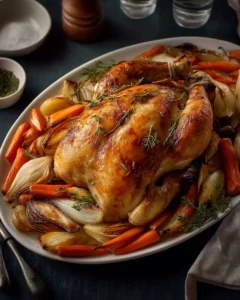
Few dishes capture the heart of comfort food as well as a perfectly cooked roast chicken. Simple, rustic, and deeply satisfying, this meal offers tender meat, golden crispy skin, and a natural aroma that fills the kitchen with warmth. A roast chicken recipe is not just about dinner, it is about mastering a technique that turns an everyday bird into a centerpiece worthy of any table. The beauty lies in its balance of elegance and simplicity, making it suitable for both experienced chefs and beginners who are looking to sharpen their cooking skills.
Unlike overly complex recipes, this roast chicken recipe relies on fresh herbs, lemon, garlic, and wholesome vegetables to create a full-bodied flavor profile. Each bite combines juicy meat with the subtle sweetness of roasted vegetables, while the herbs and citrus bring a bright, refreshing contrast. It is a one-pan wonder that allows you to cook both the protein and sides together, saving time while elevating the overall flavor.
Cooking roast chicken at home also gives you full control over the ingredients. With clean, accessible pantry staples and fresh produce, you can avoid preservatives and craft a meal that feels both nourishing and rewarding. Whether you are preparing dinner for family or simply enjoying the art of cooking, this roast chicken recipe delivers comfort, flavor, and a sense of accomplishment.
Why Roast Chicken is a Must-Have Recipe in Every Kitchen
Roast chicken is more than just another dinner option, it is a timeless staple that brings versatility, nutrition, and culinary joy. Once you learn how to make a roast chicken recipe the right way, you unlock a skill that can be adapted for countless occasions and personalized with different herbs, spices, and vegetables. Let’s explore why this recipe should have a permanent place in your cooking repertoire.
The Perfect Blend of Simplicity and Flavor
At its core, the beauty of roast chicken lies in its simplicity. You do not need dozens of ingredients or complicated cooking methods. The process revolves around seasoning the bird well, adding aromatic herbs and vegetables, and letting the oven do its magic. Despite this ease, the result is layered with flavor. The crispy skin contrasts with the tender meat, while the lemon and garlic infuse freshness and depth. It is proof that sometimes the best dishes come from the simplest approaches.
A Nutritional Powerhouse for Balanced Meals
This roast chicken recipe does not just taste good, it also provides excellent nutrition. Chicken is a lean source of protein, which is essential for muscle repair, energy, and overall health. The inclusion of carrots, fennel, onions, and fresh herbs ensures that the dish is not only filling but also packed with vitamins and minerals. Roasting vegetables alongside the chicken allows them to soak up natural juices, creating a nutrient-rich side that is both wholesome and delicious.
Adaptable for Every Palate
The roast chicken recipe can be adapted to fit almost any preference. If you enjoy bold flavors, you can add smoked paprika, rosemary, or chili flakes to the seasoning. For those who prefer a lighter taste, the classic lemon and garlic combination works beautifully. The vegetables can also be swapped based on what you have on hand. Potatoes, parsnips, or even zucchini can join the roasting pan, creating endless variations without changing the core technique.
Print
Roast Chicken Recipe
- Total Time: 2 hours 10 minutes
- Yield: 8 servings
Description
A classic roast chicken recipe with lemon, garlic, fresh thyme, and vegetables. Juicy, tender, and perfectly crisp on the outside.
Ingredients
1 (5 to 6 pound) roasting chicken
Kosher salt
Freshly ground black pepper
1 large bunch fresh thyme, plus 20 sprigs
1 lemon, halved
1 head garlic, cut in half crosswise
2 tablespoons butter, melted
1 large yellow onion, thickly sliced
4 carrots, cut into 2-inch chunks
1 bulb fennel, tops removed, cut into wedges
Olive oil
Instructions
1. Preheat oven to 425°F.
2. Remove the chicken giblets and pat the chicken dry with paper towels.
3. Season the cavity with salt and pepper. Stuff with thyme, lemon halves, and garlic.
4. Brush the outside with melted butter. Season again with salt and pepper.
5. Tie legs with kitchen string and tuck wing tips under the body.
6. Place onion, carrots, and fennel in roasting pan. Toss with olive oil, thyme, salt, and pepper. Place chicken on top.
7. Roast for 1 1/2 hours, until juices run clear when cut between leg and thigh.
8. Remove chicken and vegetables to platter. Cover with foil for 20 minutes.
9. Slice chicken and serve with roasted vegetables.
Notes
Let the chicken rest before slicing to keep it juicy.
Roasting vegetables under the chicken adds flavor and creates a complete one-pan meal.
Save the bones to make a rich homemade broth.
- Prep Time: 20 minutes
- Cook Time: 1 hour 30 minutes
- Category: Dinner
- Method: Roasting
- Cuisine: American
Preparing the Perfect Roast Chicken
Mastering a roast chicken recipe begins long before you place it in the oven. Proper preparation ensures that the bird cooks evenly, remains juicy, and develops the golden crispiness that makes this dish so beloved. By focusing on a few essential steps, you set yourself up for success every time.
Choosing the Right Chicken
The foundation of a flavorful roast chicken recipe is the bird itself. Selecting a chicken that weighs between 5 to 6 pounds is ideal for this preparation, as it cooks evenly while still yielding enough meat for multiple servings. Look for a chicken with firm flesh and a clean, fresh scent. Organic or free-range chickens often have a richer taste and better texture, but even a standard bird can shine when prepared properly.
A medium-sized chicken ensures that the meat remains tender without drying out. Larger chickens may require longer cooking times, which can sometimes lead to uneven results. With the right size, you strike a balance between portion size and cooking efficiency.
Prepping with Care
Before seasoning, it is important to clean and prepare the chicken correctly. Remove any giblets from the cavity and pat the chicken dry with paper towels. Moisture on the skin can prevent it from crisping, so drying thoroughly is essential. Once the bird is clean, season the inside with salt and pepper to enhance flavor from within.
Adding aromatic elements like lemon halves, garlic, and thyme sprigs inside the cavity infuses the meat with subtle freshness and depth as it roasts. This method creates layers of flavor that penetrate the chicken naturally without overwhelming its delicate taste.
The Role of Herbs, Vegetables, and Butter
Herbs and vegetables are not just side notes in this recipe, they are integral to its success. Fresh thyme adds earthiness, while lemon provides a bright acidity that balances the richness of the chicken. Garlic enhances the savory profile, giving the meat a fragrant quality that is both comforting and robust.
Butter, when brushed over the skin, contributes to the chicken’s golden, crisp exterior. It also adds a subtle richness that complements the natural flavor of the meat. Meanwhile, vegetables like carrots, onions, and fennel roast beneath the bird, soaking up its juices and transforming into tender, caramelized sides that complete the dish.
Seasoning for Depth
Seasoning may seem like a small detail, but it has a major impact on the final dish. Liberal use of kosher salt and freshly ground black pepper enhances the chicken’s natural flavor and ensures every bite is well-balanced. Unlike overly complex spice blends, this recipe embraces minimalism, proving that a few high-quality ingredients can deliver remarkable results.
Roasting Techniques for the Juiciest Chicken
Cooking the chicken in the oven is where the transformation truly happens. With the right techniques, you can achieve perfectly crispy skin and tender, juicy meat that falls right off the bone. This part of the roast chicken recipe focuses on temperature, roasting position, and methods that ensure consistent results.
Setting the Oven for Success
Preheating the oven to 425°F creates the ideal environment for roasting. The high initial heat helps crisp the skin while sealing in moisture, ensuring that the meat underneath stays succulent. Unlike cooking at lower temperatures, this method prevents the chicken from becoming rubbery or bland.
Maintaining an even oven temperature is also key. Opening the oven door too often can cause heat loss, which interrupts the roasting process. Instead, resist the urge to check on the chicken frequently. Trust the oven to do its job, and let the aroma guide you toward readiness.
Positioning the Bird
Placing the chicken directly on a bed of vegetables inside the roasting pan serves two important purposes. First, it elevates the bird, allowing hot air to circulate evenly around it, which promotes uniform cooking. Second, it allows the vegetables to absorb the natural juices released during roasting. The result is tender, flavorful sides that complement the chicken without additional seasoning or sauces.
Trussing, or tying the legs together, ensures even cooking by keeping the shape compact. Tucking the wings under the bird prevents them from burning or drying out, which often happens when they are left exposed. This attention to detail contributes to both presentation and taste.
Knowing When It’s Done
The most reliable way to know if your roast chicken recipe is ready is by checking the juices and temperature. A well-cooked chicken will release clear juices when cut between the leg and thigh. For added precision, use a meat thermometer to check the internal temperature, which should read 165°F in the thickest part of the thigh.
Cooking times may vary depending on the size of the bird, but for a chicken between 5 and 6 pounds, 1 1/2 hours is typically sufficient. Allowing the chicken to rest for about 20 minutes after roasting is just as important as the cooking process itself. Resting gives the juices time to redistribute, ensuring moist, flavorful slices from start to finish.
The Golden Skin Secret
The hallmark of a great roast chicken recipe is its golden, crispy skin. Brushing the chicken with melted butter before roasting helps achieve this result. Combined with the high oven temperature, the butter caramelizes and forms a crackling texture that contrasts beautifully with the tender meat beneath. A light sprinkle of salt on the skin enhances both texture and taste, ensuring that the first bite is as satisfying as the last.
Serving and Presenting Roast Chicken
Once the chicken has roasted to perfection, presentation and serving bring the final touch to your meal. A beautifully carved roast chicken recipe not only tastes incredible but also creates a visually appealing centerpiece that impresses guests and makes weeknight dinners feel special.
The Importance of Resting Before Slicing
After removing the chicken from the oven, it is tempting to carve it right away. However, letting the bird rest under a loose cover of foil for about 20 minutes is essential. During this resting period, the juices redistribute throughout the meat, preventing them from spilling out when cut. This step ensures that every slice remains moist and flavorful. Skipping it often results in dry chicken, even if the cooking was otherwise perfect.
Carving Made Simple
Carving may seem intimidating, but with a few simple steps, it becomes an easy and rewarding process. Begin by removing the legs, cutting through the joint between the thigh and body. Separate the drumsticks from the thighs for smaller portions. Next, slice off the wings, which are best enjoyed by those who love crispy skin. Finally, carve the breast meat into even slices, cutting across the grain to preserve tenderness.
Arranging the carved pieces neatly on a platter not only makes serving convenient but also highlights the beauty of the golden skin and juicy interior. Surrounding the chicken with roasted vegetables adds both color and balance, creating a dish that looks as good as it tastes.
Pairing with Sides and Sauces
The vegetables roasted alongside the chicken make for a natural and delicious side. Carrots, onions, and fennel, softened and caramelized by the juices, require no additional preparation. They bring sweetness and depth that perfectly complement the savory chicken.
For those who enjoy extra flavor, a light gravy or pan sauce can be prepared using the drippings left in the roasting pan. By deglazing with a splash of chicken broth and whisking in a small knob of butter, you create a silky, flavorful sauce that ties the entire meal together.
Elevating Presentation
While this roast chicken recipe is inherently rustic, small presentation details can elevate the dish. Serving on a large white or wooden platter highlights the golden color of the chicken. Garnishing with fresh thyme sprigs or lemon slices adds a fresh look while subtly reinforcing the flavors within the dish. These small touches turn a simple family dinner into something memorable without requiring extra effort.
Variations, Leftovers, and Storage Tips
A roast chicken recipe is more than just a single meal. With a little creativity, the same bird can be transformed into different dishes, and leftovers can be stored in ways that save time and money. This adaptability is one of the reasons why roast chicken remains a kitchen essential.
Flavor Variations to Try
One of the joys of roast chicken is how easily it can be customized. While lemon, garlic, and thyme provide a classic flavor base, you can experiment with different combinations to suit your taste. Rosemary and sage bring a more earthy profile, while smoked paprika or chili flakes add subtle heat. For a Mediterranean twist, try seasoning with oregano, olive oil, and a touch of balsamic vinegar. Each variation maintains the simplicity of the recipe while giving it a fresh personality.
Vegetables can also be swapped or added based on availability. Potatoes create a heartier side, while parsnips and turnips add sweetness. Even seasonal vegetables like zucchini or bell peppers work beautifully when roasted alongside the chicken. This flexibility ensures that no two versions of the dish are exactly the same, keeping it exciting for repeat meals.
Making the Most of Leftovers
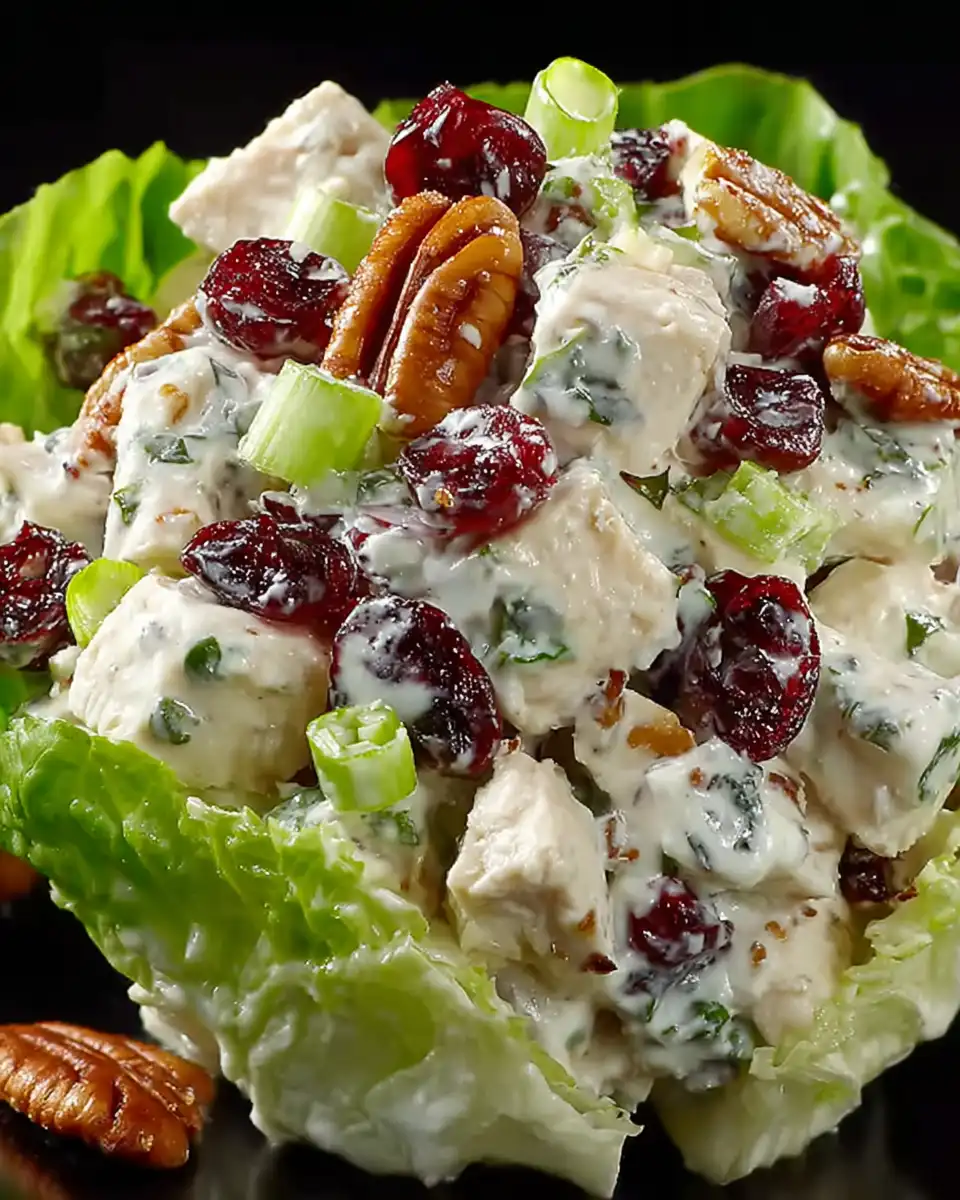
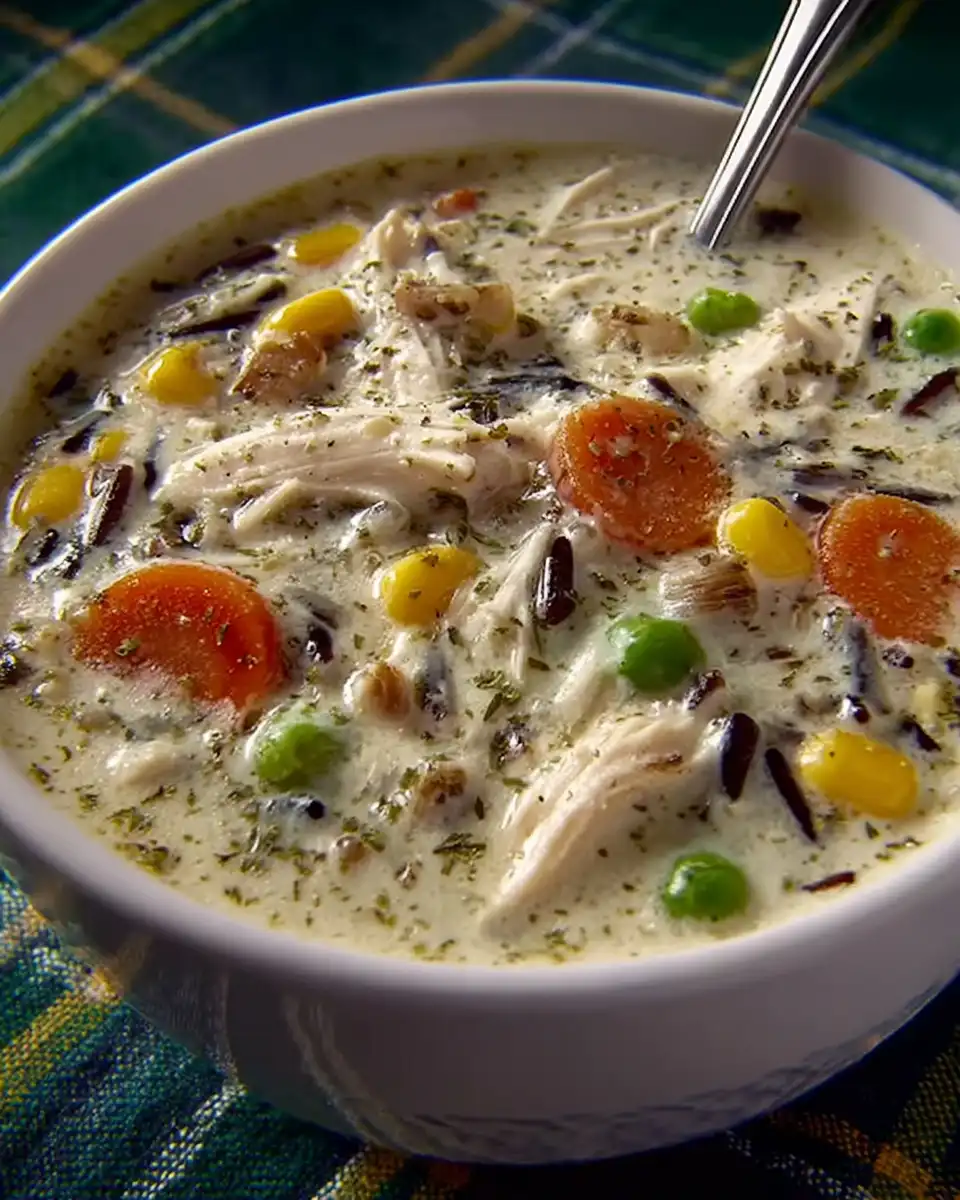
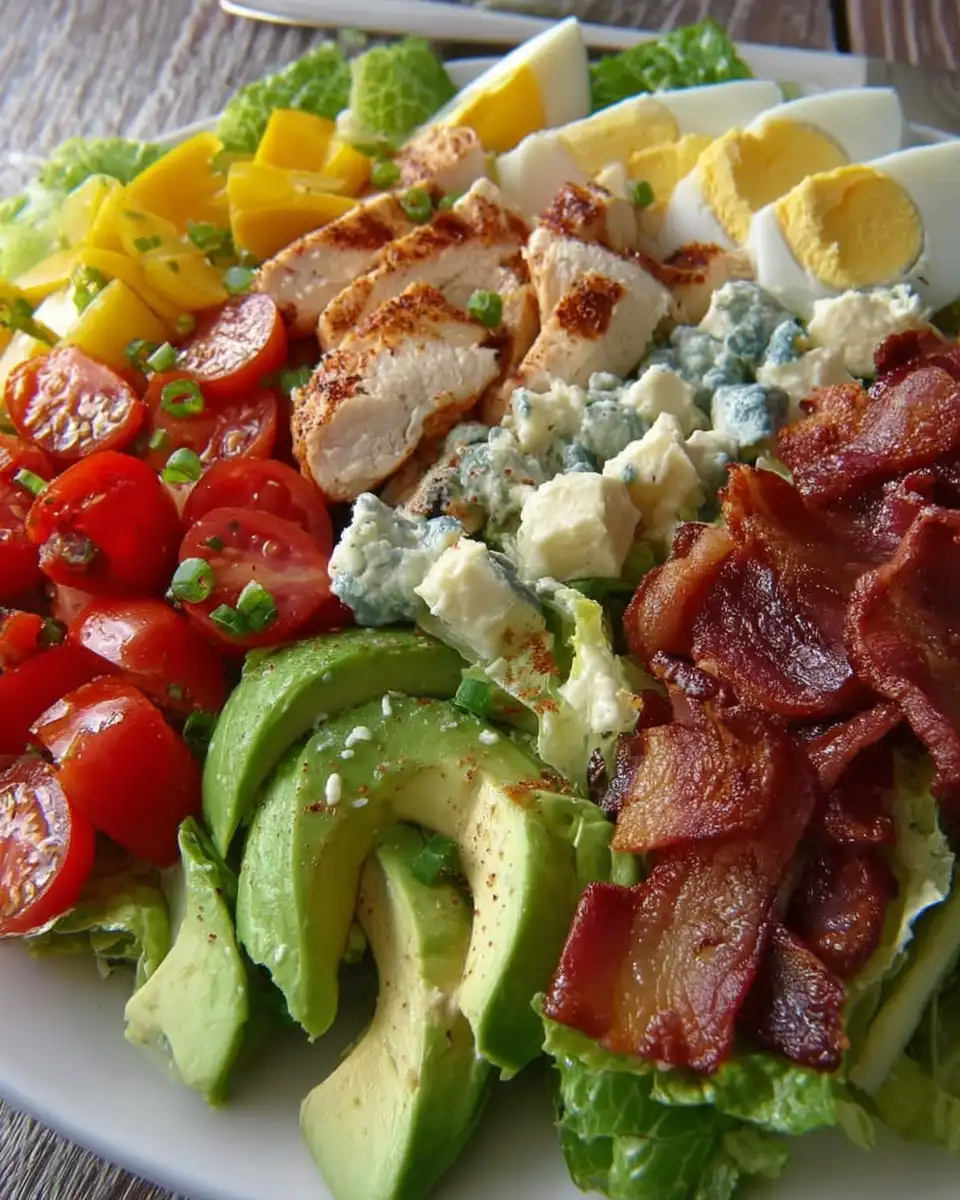
One of the biggest advantages of roasting a whole chicken is the abundance of leftovers. The remaining meat can be repurposed into sandwiches, salads, or wraps for easy lunches. Shredded chicken is also excellent in soups, casseroles, and pasta dishes, providing quick protein without extra cooking.
Even the bones have value. Simmering the carcass with onions, carrots, celery, and herbs creates a rich homemade broth. This broth can serve as the foundation for soups, risottos, or grain-based dishes, extending the usefulness of a single roast chicken well beyond the initial meal.
Proper Storage for Freshness
To ensure food safety and preserve flavor, it is important to store leftovers correctly. Once the chicken has cooled, transfer the meat into airtight containers and refrigerate. Properly stored, it will last up to four days. For longer storage, portion the chicken into freezer-safe bags or containers and freeze for up to three months.
When reheating, avoid microwaving large portions as it can dry out the meat. Instead, warm smaller servings gently in a skillet with a splash of broth to restore moisture. This method keeps the chicken tender and delicious, even after being stored.
Why Roast Chicken is Always Worth It
The combination of adaptability, nutrition, and ease makes roast chicken one of the most valuable recipes you can master. It provides not just one satisfying dinner but multiple meals, creative variations, and even homemade stock for future dishes. By learning how to make this roast chicken recipe, you are adding a versatile tool to your kitchen that never goes out of style.
Conclusion: Mastering the Roast Chicken Recipe
Few dishes combine comfort, flavor, and simplicity as effectively as a roast chicken recipe. From the moment the bird is seasoned and placed in the oven to the final carving and serving, every step builds toward a meal that is both satisfying and memorable. The crispy golden skin, the tender meat infused with lemon and garlic, and the caramelized vegetables create a harmony of flavors that appeal to all ages.
Beyond its taste, roast chicken is also one of the most practical dishes you can prepare. It offers versatility through countless variations, provides plenty of leftovers for future meals, and allows you to make use of every part of the bird, even the bones. With just a handful of ingredients and some careful preparation, you can transform an ordinary chicken into a centerpiece worthy of any table.
Cooking a roast chicken is not just about following instructions, it is about embracing a timeless technique that has nourished families for generations. Once you have mastered this recipe, you will find yourself returning to it again and again, enjoying both its simplicity and its ability to adapt to your tastes. Whether you are cooking for a large group or simply for yourself, this dish guarantees warmth, satisfaction, and the pleasure of a well-cooked meal.