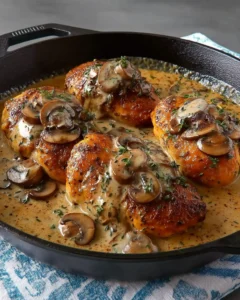
Chicken is one of the most versatile proteins to cook with, and when paired with a silky cream sauce, fragrant herbs, and the delicate sparkle of grape juice, it becomes something extraordinary. The champagne chicken recipe is often seen as a gourmet dish, but in reality, it is simple enough for home cooks to master. Traditionally, recipes like this might have included champagne or wine, but this version uses sparkling white grape juice instead. This swap brings the same bright, slightly fruity depth without any alcohol, making it a delicious and approachable choice for anyone who wants an elevated meal at home.
In this guide, we will explore everything you need to know about creating this dish, from preparing the chicken to building a sauce that tastes rich yet balanced. You will also discover tips for adjusting the flavor, pairing this recipe with sides, and even experimenting with variations. By the end, you will feel confident enough to bring a restaurant-style experience to your kitchen with ease.
Understanding the Champagne Chicken Recipe
The champagne chicken recipe combines everyday ingredients like chicken, garlic, mushrooms, and cream with a sparkling twist that transforms the dish from ordinary to unforgettable. To better understand why this recipe has become such a beloved option, it helps to look at the core elements that make it unique.
A Balance of Comfort and Elegance
At its heart, champagne chicken is all about contrast. On one hand, you have the comfort of tender, juicy chicken breasts cooked until golden brown and seasoned with simple spices like black pepper and cayenne. On the other hand, the sauce is layered with depth, using sparkling grape juice, cream, and fresh herbs to create something that feels luxurious. This harmony between casual and refined cooking is what gives the dish its timeless appeal.
The flavors are layered carefully. First comes the sear on the chicken, which creates a slightly crisp surface and a golden crust that locks in moisture. Then mushrooms, shallots, and garlic bring an earthy, savory backbone. Finally, the sparkling juice reduction adds brightness, while the cream ties everything together with richness. The result is a meal that feels like it belongs in a fine-dining restaurant, yet is achievable in any home kitchen.
Why Sparkling Grape Juice Works Perfectly
One of the most important features of this version is the use of sparkling white grape juice. This ingredient mirrors the light fruitiness of champagne while keeping the recipe approachable for everyone. When reduced in the pan, it concentrates into a slightly sweet and tart base that enhances the mushrooms and garlic without overpowering them. Paired with broth, thyme, and a touch of tomato paste, it becomes a sauce that is both complex and comforting.
Another benefit of using sparkling grape juice is its availability. Unlike champagne, which can be costly and requires careful selection, grape juice is inexpensive, widely available, and consistent in flavor. This makes the dish more practical for weeknight cooking or casual dinner parties, while still maintaining its signature flair.
Print
Champagne Chicken Recipe
- Total Time: 50 minutes
- Yield: 4 servings
Description
A creamy and flavorful chicken dish made with sparkling white grape juice, mushrooms, garlic, and cream. This champagne chicken recipe is elegant yet simple enough for weeknight dinners.
Ingredients
4 skinless, boneless chicken breasts
2 teaspoons kosher salt, plus more as needed
2 tablespoons olive oil
Freshly ground black pepper, to taste
1 pinch cayenne pepper, to taste
2 tablespoons unsalted butter
2 generous cups thickly sliced mushrooms
1/4 cup diced shallots
3 cloves garlic, minced
4 teaspoons all-purpose flour
1 1/2 cups sparkling white grape juice
1/2 teaspoon tomato paste
2 teaspoons fresh thyme leaves
1 1/2 cups chicken broth
1/2 cup heavy cream
1 tablespoon aged balsamic vinegar (optional)
Instructions
1. Season chicken with salt, black pepper, and cayenne on both sides.
2. Heat olive oil over medium-high heat in a large skillet. Sear chicken breasts for 3 to 4 minutes per side until golden brown, then transfer to a plate.
3. In the same skillet, melt butter. Add mushrooms and a pinch of salt, cooking until they begin to brown.
4. Stir in shallots and garlic, cooking until softened and fragrant, about 3 to 5 minutes.
5. Sprinkle in flour and stir until it disappears, about 1 minute.
6. Pour in sparkling white grape juice, scraping up browned bits. Simmer until reduced by half, 5 to 10 minutes.
7. Add tomato paste, thyme, and chicken broth. Stir well and bring to a simmer.
8. Reduce heat to medium, then stir in cream. Simmer until the sauce thickens enough to coat a spoon, about 10 minutes.
9. Add balsamic vinegar if desired. Return chicken to the skillet, simmering gently until the internal temperature reaches 150°F (66°C), basting occasionally.
10. Taste for seasoning, then serve hot with sauce spooned over the top.
Notes
Serve with mashed potatoes, rice, or roasted vegetables to soak up the creamy sauce.
Leftovers can be stored in the refrigerator for up to 3 days or frozen for up to 2 months.
Reheat gently on the stovetop with a splash of broth or milk to restore creaminess.
- Prep Time: 10 minutes
- Cook Time: 40 minutes
- Category: Dinner
- Method: Stovetop
- Cuisine: American, French-inspired
Step-by-Step Guide to Cooking Champagne Chicken
Cooking the champagne chicken recipe may sound fancy, but the process is actually straightforward. The key lies in patience and layering flavors carefully. Each step builds upon the last, creating a dish that tastes as impressive as it looks.
Preparing and Searing the Chicken
Start with four skinless, boneless chicken breasts. Pat them dry with paper towels to ensure an even sear. Sprinkle them generously with kosher salt on both sides, then add freshly ground black pepper and a pinch of cayenne. The combination of salt and spices not only seasons the meat but also helps form a flavorful crust when the chicken hits the pan.
Heat olive oil in a large nonstick skillet over medium-high heat until shimmering. Place the chicken breasts in a single layer, allowing them to cook without crowding. This step is crucial because overcrowding traps steam, preventing browning. Sear each side for 3 to 4 minutes until lightly golden. Once browned, transfer the chicken to a plate. At this stage, the chicken is not fully cooked, but finishing it in the sauce later will ensure it stays moist and absorbs extra flavor.
Building the Base of the Sauce
After the chicken is removed, melt butter in the same pan. The leftover browned bits at the bottom, known as fond, are flavor gold. Add sliced mushrooms with a pinch of salt, stirring occasionally until they release their juices and develop a rich, earthy brown color. Next, stir in diced shallots and garlic, cooking just until the shallots become translucent and fragrant.
Sprinkle flour into the pan and stir it into the mushroom mixture. This flour helps thicken the sauce later, creating the velvety texture that sets this dish apart. Allow the flour to cook for about a minute so it loses its raw taste and clings to the vegetables.
Adding Sparkle and Flavor
Pour in sparkling white grape juice, scraping up the fond with a spatula to incorporate it into the sauce. Let the juice simmer and reduce by half. This step concentrates its delicate fruity flavor, blending perfectly with the savory mushrooms and garlic. Once reduced, stir in tomato paste, thyme leaves, and chicken broth. Each ingredient adds depth—tomato paste provides a subtle tang, thyme brings freshness, and broth enhances savory richness.
Now comes the cream. Slowly stir in heavy cream and let the sauce gently simmer until it thickens enough to coat the back of a spoon. This creamy base is what makes the champagne chicken recipe truly indulgent. For an optional finishing touch, a splash of aged balsamic vinegar can be added to balance the richness with a hint of acidity.
Bringing the Dish Together
Return the seared chicken breasts to the pan, nestling them into the sauce. Simmer gently, turning and basting every few minutes. Cooking the chicken in the sauce ensures that the flavors meld while the meat finishes cooking through. The goal is an internal temperature of about 150 degrees F, which keeps the chicken tender and juicy. Once cooked, let the chicken rest briefly before serving to allow juices to redistribute.
With these careful steps, you will have chicken that is perfectly cooked, coated in a velvety sauce, and ready to impress at the table.
Perfect Pairings for Champagne Chicken
The beauty of the champagne chicken recipe lies not only in the main dish but also in the way it pairs with complementary sides. A well-chosen side dish elevates the meal, creating a balanced plate that enhances both flavor and presentation. Since the chicken and sauce are creamy, rich, and slightly fruity, the best sides add contrast through freshness, texture, or brightness.
Classic Starches to Soak Up the Sauce
Because the sauce is such a star, it makes sense to serve this dish with a starch that absorbs its velvety texture. Creamy mashed potatoes are a classic option. Their buttery smoothness blends beautifully with the chicken’s sauce, making every bite indulgent. For a lighter alternative, try fluffy white rice or buttery egg noodles. Both options provide a neutral base that soaks up the rich flavors without competing with them.
Another great choice is roasted baby potatoes. When crisped in the oven with olive oil and herbs, they bring a satisfying crunch that contrasts with the creaminess of the sauce. Polenta is also an underrated option, offering a soft and slightly sweet base that pairs surprisingly well with the sparkling grape juice reduction.
Vegetables for Balance and Freshness
To balance the richness of the dish, vegetables are essential. Steamed green beans or asparagus provide a crisp, fresh bite that cuts through the creamy sauce. Roasted Brussels sprouts or broccoli caramelize beautifully in the oven, adding depth and a slight charred sweetness.
If you prefer something lighter, a simple mixed salad with a vinaigrette dressing works wonders. The acidity of the vinaigrette refreshes the palate between bites of chicken and sauce. For a colorful option, roasted carrots or bell peppers add natural sweetness and vibrant appeal to the plate.
Bread for an Extra Touch
Serving bread alongside the champagne chicken recipe is optional but highly recommended. A slice of crusty baguette or soft dinner rolls can be used to mop up every last drop of sauce. Just make sure to choose bread that has a soft crumb but a sturdy crust, so it holds up when dipped into the creamy reduction.
Beverage Pairings
Since the recipe already incorporates sparkling grape juice in place of champagne, it makes sense to serve a chilled glass of the same beverage on the side. The fizz and fruity flavor create a seamless experience that ties the meal together. For those who prefer something different, sparkling water with a twist of lemon or lime provides a refreshing counterpoint.
These thoughtful pairings ensure that every element of your meal works together, enhancing the flavor of the chicken while offering variety in texture and freshness. The end result is a well-rounded dining experience that feels both satisfying and refined.
Tips and Variations for Champagne Chicken
The champagne chicken recipe is versatile, meaning you can make small adjustments to suit your taste, dietary needs, or simply to keep things interesting. Once you master the basic method, experimenting with variations becomes an enjoyable way to add personality to the dish.
Expert Tips for Success
- Control the Heat – When searing chicken, keep the heat high enough for browning but not so high that the outside burns before the inside cooks. A golden crust adds flavor, but patience is key.
- Don’t Skip the Reduction – Reducing the sparkling grape juice is essential. It intensifies the flavor and prevents the sauce from being too thin or overly sweet.
- Use a Meat Thermometer – Chicken can quickly overcook and become dry. An instant-read thermometer ensures your chicken reaches the perfect temperature while staying juicy.
- Rest Before Serving – Allowing the chicken to rest for a few minutes before cutting ensures that juices redistribute evenly, keeping each bite moist.
- Taste and Adjust Seasoning – Cream sauces sometimes need an extra pinch of salt or a dash of acidity at the end. Always taste before serving.
Flavor Variations
- Herb Variations: While thyme is classic, fresh rosemary, sage, or tarragon can be swapped in for a different herbal note. Tarragon, in particular, pairs beautifully with creamy sauces and chicken.
- Mushroom Choices: Standard white mushrooms work well, but cremini, shiitake, or even wild mushrooms add a deeper earthiness that makes the dish feel more elevated.
- Citrus Twist: For a brighter sauce, add a splash of lemon juice along with the grape juice reduction. The citrus brings a refreshing lift that balances the cream.
- Garlic Lovers’ Version: If you enjoy a stronger garlic flavor, roast garlic cloves beforehand and mash them into the sauce for a richer, slightly sweet undertone.
Lightened-Up Option
If you prefer a lighter version of the champagne chicken recipe, you can make a few adjustments. Replace heavy cream with half-and-half or a mixture of milk and a touch of cornstarch for thickness. Using olive oil instead of butter reduces richness while keeping the sauce silky. This version still tastes indulgent but feels a little lighter for everyday meals.
Creative Serving Ideas
This recipe is traditionally served as a plated meal, but you can adapt it for other occasions. Try slicing the chicken and serving it over pasta for a creamy, restaurant-style entrée. Alternatively, shred the chicken and use it as a filling for savory crepes. The sauce works wonderfully as a topping for roasted vegetables or baked potatoes, making it a versatile addition to your cooking repertoire.
By experimenting with these tips and variations, you can make the champagne chicken recipe your own while keeping its essence intact. Whether you’re preparing it for a family dinner or a special occasion, these adjustments ensure it never feels repetitive.
Nutrition, Make-Ahead Tips, and Storing Leftovers
A recipe like the champagne chicken recipe is not only flavorful but also practical when it comes to planning ahead and enjoying it beyond the day it is cooked. With the right storage and reheating methods, you can preserve its creamy texture and bold taste without compromising quality.
Nutrition at a Glance
This dish is indulgent but balanced. Each serving provides about 509 calories, with 41 grams of protein, making it a filling option for lunch or dinner. The chicken itself is a lean protein, while the cream sauce contributes richness and healthy fats from olive oil and butter. Mushrooms, shallots, and garlic bring vitamins, minerals, and antioxidants, adding nutritional value alongside flavor.
Although the sauce contains cream, it is served over protein and vegetables, which helps keep the meal satisfying. To make it lighter, you can reduce the cream portion slightly and increase the broth or substitute half-and-half for a leaner option. Pairing the dish with roasted vegetables or a fresh salad also balances the richness.
Make-Ahead Preparation
The champagne chicken recipe is flexible enough for meal prep. You can sear the chicken and prepare the sauce base ahead of time, then combine everything later when ready to serve. To do this, cook the chicken up to the point of searing, then refrigerate it. Prepare the sauce up until adding the cream, cool it, and store it separately. When ready to serve, reheat the sauce, stir in the cream, and finish cooking the chicken directly in the simmering mixture.
This method saves time on busy evenings while still allowing the flavors to come together beautifully.
Storing Leftovers
If you have leftovers, allow the chicken and sauce to cool to room temperature before refrigerating. Store in an airtight container for up to three days. For freezing, slice the chicken into smaller portions and place it in freezer-safe containers with some sauce. It can be frozen for up to two months.
When reheating, gently warm the chicken and sauce over low heat on the stovetop, stirring frequently to prevent separation. If the sauce becomes too thick, add a splash of broth or milk to loosen it. Avoid reheating in the microwave for too long, as it may cause the chicken to dry out or the sauce to split.
Serving Leftovers Creatively
Leftover champagne chicken doesn’t have to be eaten in the same form. The creamy sauce pairs well with pasta, so shredding the leftover chicken and tossing it with noodles creates a completely new meal. Another idea is to spoon the chicken and sauce over baked potatoes or use it as a filling for savory crepes. These creative approaches make the most of your leftovers while keeping meals interesting.
Managing nutrition, storage, and make-ahead options ensures that this dish is not just a one-time indulgence but a practical, versatile recipe that fits into everyday life.
Conclusion: Why Champagne Chicken Deserves a Place in Your Kitchen
The champagne chicken recipe proves that gourmet flavors can be created in a home kitchen without complicated techniques or hard-to-find ingredients. With juicy chicken breasts, a rich cream sauce, and the sparkling touch of white grape juice, this dish balances comfort and elegance in every bite. It is approachable enough for a family dinner yet impressive enough for special occasions.
What makes this recipe stand out is its versatility. From the golden sear on the chicken to the velvety sauce infused with mushrooms, garlic, and herbs, each step is designed to build layers of flavor. Paired with simple sides like mashed potatoes, roasted vegetables, or rice, it becomes a complete meal that satisfies both the appetite and the senses.
Equally important, this dish adapts well to individual preferences. You can experiment with herbs, lighten it up with broth-based modifications, or turn leftovers into new meals such as pasta or baked potato toppings. Its nutritional balance and make-ahead convenience add to its practicality, making it not just a recipe but a valuable addition to any cooking repertoire.
If you are looking for a dish that combines refinement with simplicity, the champagne chicken recipe is an excellent choice. It delivers on taste, presentation, and versatility, proving that you don’t need a restaurant reservation to enjoy an elevated meal. With just a few ingredients and thoughtful preparation, you can bring a touch of culinary sophistication to your dining table.