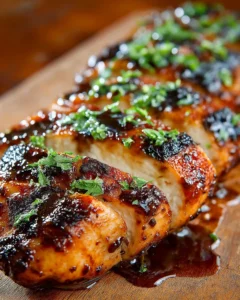
Marinating chicken is one of the simplest yet most powerful ways to elevate everyday meals into something extraordinary. A well-balanced chicken marinade infuses meat with layers of flavor, ensures tenderness, and creates a golden crust when cooked on the grill, stovetop, or oven. By combining the right balance of acids, oils, herbs, and spices, you can transform plain chicken breasts into juicy, mouthwatering dishes that impress every time. Whether you want a smoky backyard barbecue, a quick stovetop dinner, or oven-baked chicken that stays moist, the perfect chicken marinade will be your best friend in the kitchen.
This guide explores how to build the ultimate marinade, why each ingredient matters, and the different cooking techniques that bring out its best qualities. You will also discover a complete recipe that is easy to follow, balanced in flavor, and made with simple pantry ingredients. With the right tips, you can achieve restaurant-level chicken that delights the entire family.
The Foundation of a Perfect Chicken Marinade
Every good chicken marinade starts with a thoughtful blend of ingredients that serve different purposes. When you understand why each element is included, you gain the ability to tweak flavors based on your preferences while keeping the balance just right.
The Role of Acidity in Tenderizing
Acidic ingredients are essential in a chicken marinade because they help break down muscle fibers and tenderize the meat. Vinegars such as balsamic or apple cider, as well as citrus juices like lemon, add brightness while gently softening the chicken. This ensures that each bite remains tender and juicy. The acidity not only enhances texture but also sharpens the flavors of herbs and spices, making the overall profile more vibrant.
Oils for Moisture and Flavor
Olive oil or another neutral oil forms the backbone of the marinade, coating the chicken to lock in moisture during cooking. The oil also helps distribute fat-soluble flavors from herbs and spices evenly across the meat. A high-quality extra virgin olive oil adds a subtle richness that balances the acidity and prevents the chicken from drying out on the grill or in the oven.
Sweetness for Balance
A touch of sweetness, often provided by brown sugar or honey, rounds out the sharpness of vinegar and lemon. It creates a perfect harmony that makes the flavor multidimensional. When the chicken is cooked, the sugar caramelizes, giving the meat a beautiful golden-brown crust and a hint of smokiness that enhances its appeal.
Herbs and Spices for Depth
Dried rosemary, garlic powder, ground black pepper, and mustard are classic flavor builders in a marinade. Each brings something unique. Rosemary contributes an earthy aroma, garlic delivers savory depth, pepper adds a gentle heat, and mustard provides tang with a hint of sharpness. When combined, these ingredients layer flavor into the chicken without overpowering its natural taste.
Salt for Seasoning
Salt is more than just a flavor enhancer. It helps draw out the natural juices of the chicken, allowing the marinade to penetrate deeper. This ensures that seasoning reaches beyond the surface, giving you consistently flavorful bites.
By combining these elements in the right proportions, you get a marinade that is balanced, versatile, and adaptable to various cooking methods.
Print
Chicken Marinade Recipe
- Total Time: 55 minutes
- Yield: 6 servings
Description
This chicken marinade is a flavorful blend of olive oil, vinegar, soy sauce, brown sugar, mustard, and herbs that makes chicken juicy, tender, and perfect for grilling, baking, or stovetop cooking.
Ingredients
½ cup extra virgin olive oil
½ cup balsamic vinegar or other vinegar
¼ cup soy sauce (low sodium recommended)
¼ cup Crystal Worcestershire sauce
⅛ cup lemon juice
¾ cup brown sugar
2 teaspoons dried rosemary
2 tablespoons Dijon mustard or spicy brown mustard
1 ½ teaspoons salt
1 teaspoon ground black pepper
2 teaspoons garlic powder
6 chicken breasts or 3.5 lb chicken
Instructions
1. In a large mixing bowl, whisk together all marinade ingredients until fully combined. Reserve ½ cup of marinade for basting later.
2. Place chicken in a large resealable bag and pour marinade over the top. Seal and massage gently to coat evenly.
3. Refrigerate chicken and marinate for at least 30 minutes or up to 24 hours. For best flavor, aim for 4 to 6 hours.
4. Preheat grill to medium-high heat and lightly oil grates.
5. Remove chicken from marinade, letting excess drip off. Grill for 5–6 minutes per side, basting with reserved marinade until internal temperature reaches 165°F.
6. Remove chicken from grill, tent with foil, and rest for at least 5 minutes before serving.
7. Optional: Boil reserved marinade until slightly reduced and serve as a sauce.
Notes
You can also bake the marinated chicken at 400°F for 18–22 minutes or 450°F for 15–18 minutes. For stovetop cooking, sear in a skillet for 8–10 minutes per side. Always let chicken rest 5 minutes before slicing for best juiciness.
- Prep Time: 5 minutes
- Cook Time: 10 minutes
- Category: Main Course
- Method: Grilling, Baking, Stovetop
- Cuisine: American
Cooking Methods That Highlight a Chicken Marinade
A chicken marinade delivers its magic not only through flavor but also through the way it interacts with heat during cooking. Choosing the right method can dramatically influence texture, caramelization, and juiciness. Whether you prefer smoky char from the grill, crispy edges from the stovetop, or the even tenderness of oven-baked chicken, understanding how each method works helps you maximize results.
Grilling for Smoky Perfection
Grilling is perhaps the most popular way to cook marinated chicken because the open flame creates a smoky flavor that pairs beautifully with herbs, spices, and sweetness in the marinade. As the chicken cooks, the sugars in the marinade caramelize, forming a golden crust with slightly charred edges. The key is preheating the grill to medium-high and oiling the grates to prevent sticking. Cooking for 5 to 6 minutes per side ensures the chicken reaches 165°F internally while remaining juicy. Basting occasionally with reserved marinade intensifies the flavors and keeps the meat moist.
Baking for Even Tenderness
The oven offers a hands-off approach that guarantees consistency. Baking marinated chicken at 400°F results in tender meat that retains all the infused flavors without the need for constant attention. For busy nights, this method allows you to prep ahead and simply slide the dish into the oven when ready. If time is short, baking at a higher temperature of 450°F can reduce cooking time while still locking in juices. A baking sheet or shallow pan ensures even heat distribution, and brushing the chicken with reserved marinade during cooking adds extra layers of flavor.
Stovetop for Quick and Crispy Results
When time is limited, the stovetop is a reliable option that produces delicious results in under 20 minutes. Preheating a skillet over medium-high heat and lightly greasing it allows the marinated chicken to sear beautifully. This method is ideal for achieving crispy edges and those attractive sear marks if using a grill pan. Each side needs about 8 to 10 minutes to cook fully. The high heat seals in juices while the marinade enhances the browning process. Resting the chicken after cooking ensures maximum tenderness.
Why Resting Time Matters
Regardless of the method, resting the chicken for at least 5 minutes after cooking is crucial. During cooking, juices are driven toward the surface. Allowing the chicken to rest gives those juices time to redistribute, ensuring each bite remains succulent and flavorful. Cutting too early can cause valuable moisture to escape, leaving the chicken drier than intended.
Each cooking method offers unique advantages, and experimenting with them can help you decide which style best suits your tastes and schedule. Some may prefer the smoky flair of grilling, while others enjoy the simplicity of baking or the speed of the stovetop. With the right marinade, all three options deliver outstanding results.
The Ultimate Chicken Marinade Recipe
Now that you know the essentials of a great marinade and the cooking methods that bring out its best qualities, let’s dive into a complete recipe. This chicken marinade is easy to prepare, uses common pantry ingredients, and works beautifully whether you grill, bake, or cook on the stovetop. Each component plays an important role in creating balance, tenderness, and mouthwatering flavor.
Ingredients You Will Need
- ½ cup extra virgin olive oil
- ½ cup balsamic vinegar or another vinegar of choice
- ¼ cup soy sauce (low sodium recommended)
- ¼ cup Worcestershire sauce (use Crystal Worcestershire sauce or a similar option)
- ⅛ cup lemon juice
- ¾ cup brown sugar
- 2 teaspoons dried rosemary
- 2 tablespoons Dijon mustard or spicy brown mustard
- 1 ½ teaspoons salt
- 1 teaspoon ground black pepper
- 2 teaspoons garlic powder
- 6 chicken breasts or about 3.5 pounds of chicken
This combination offers the perfect balance of acidity, sweetness, and savory notes. Olive oil keeps the chicken moist, while vinegar and lemon juice tenderize the meat. Soy sauce and Worcestershire add umami depth, brown sugar provides a caramelized finish, and rosemary with garlic powder gives the marinade a fragrant lift.
Step-by-Step Instructions
1. Mix the marinade
In a large mixing bowl, whisk together all ingredients until fully combined. This ensures the sugar dissolves, the oil emulsifies with the vinegar, and the herbs are evenly distributed. At this stage, remove about half a cup of marinade and set it aside for basting later.
2. Marinate the chicken
Place the chicken breasts in a large resealable bag and pour the marinade over them. Gently massage to coat the chicken evenly and press out as much air as possible before sealing. For quicker absorption, you can pierce the chicken with a fork, allowing the marinade to seep deeper into the meat.
3. Chill and marinate
Refrigerate the chicken for at least 30 minutes, although 4 to 6 hours is ideal for maximum flavor. You can marinate overnight if desired, but avoid going beyond 24 hours, as too much acid may start to break down the chicken excessively.
4. Cook using your preferred method
Choose grilling, baking, or stovetop cooking based on your preference and time. Each method has been outlined earlier and works equally well with this marinade. Remember to baste occasionally with the reserved marinade for a flavor boost.
5. Rest before serving
Once the chicken reaches an internal temperature of 165°F, remove it from heat and tent with foil for at least 5 minutes before slicing or serving. This step preserves juiciness and ensures a tender bite.
Why This Recipe Works
This marinade succeeds because it balances all five taste elements: salty, sweet, sour, bitter, and umami. The result is chicken that is deeply flavorful, moist, and versatile enough to serve with roasted vegetables, fresh salads, rice bowls, or sandwiches. The caramelization from sugar and the aroma of herbs ensure that the final dish feels both comforting and elevated.
Tips, Variations, and Serving Ideas for Chicken Marinade
One of the greatest strengths of a chicken marinade is its flexibility. With a few simple adjustments, you can create different flavor profiles, pairings, and serving styles that suit any mood or meal. Whether you want something smoky, spicy, tangy, or herb-forward, a versatile marinade can be customized to your taste.
Practical Tips for Success
- Marinate in the fridge: Always refrigerate chicken while marinating to maintain freshness and food safety. Leaving it at room temperature can lead to spoilage.
- Use a resealable bag: This allows the marinade to coat the chicken evenly and makes cleanup easier. Press out extra air so the marinade clings closely to the meat.
- Do not reuse raw marinade: If you want to baste chicken while it cooks, set aside a portion of the marinade before adding raw chicken. Alternatively, bring leftover marinade to a full boil before using it as a sauce.
- Cut chicken evenly: Uniform thickness ensures consistent cooking times, preventing some pieces from drying out while others remain undercooked.
Flavor Variations to Try
- Citrus Twist: Add orange or lime juice for a bright, tropical note.
- Smoky Barbecue Style: Mix in a tablespoon of tomato paste, a drizzle of honey, and a touch of smoked paprika for a barbecue-inspired flavor. Pair this with a certified BBQ sauce or a homemade tomato-vinegar blend for basting.
- Herb Lovers’ Blend: Use fresh thyme, oregano, or parsley along with rosemary for a garden-fresh profile.
- Spicy Kick: Add cayenne pepper, chili flakes, or a dash of hot sauce such as Frank’s RedHot or Cholula Original for extra heat.
Serving Ideas
Marinated chicken is incredibly versatile, making it a star in many meals. Here are a few ways to enjoy it:
- With grilled vegetables: Pair chicken with zucchini, bell peppers, or asparagus for a complete meal.
- In a salad: Slice grilled chicken and serve over mixed greens with a light vinaigrette.
- As a sandwich: Layer marinated chicken with fresh lettuce, tomatoes, and your favorite halal-certified bread brands such as Dave’s Killer Bread, Arnold, or Pepperidge Farm.
- With rice or pasta: Serve over fluffy jasmine rice or alongside pasta tossed with olive oil and herbs.
- In wraps or tacos: Slice and tuck into tortillas with crunchy slaw and a creamy dressing for an easy handheld option.
Why Variations Matter
Customizing your chicken marinade keeps meals exciting and prevents flavor fatigue. It also gives you the chance to highlight seasonal produce or experiment with global flavor combinations. A marinade is not just a recipe—it is a canvas for creativity.
Conclusion
A great chicken marinade is more than a simple blend of ingredients. It is a reliable method for turning everyday meals into flavorful experiences that satisfy both comfort and creativity. By understanding the role of each component—acid for tenderizing, oil for moisture, sugar for caramelization, herbs for fragrance, and salt for depth—you gain control over how your chicken tastes and feels with every bite.
Cooking methods such as grilling, baking, and stovetop searing all showcase different strengths of the marinade, from smoky char to tender juiciness to quick crispy edges. No matter which option you choose, resting the chicken before serving ensures that flavors and juices stay locked inside, creating a dish that is both succulent and satisfying.
The complete recipe outlined above delivers balance and versatility, allowing you to prepare chicken that pairs beautifully with vegetables, salads, grains, or sandwiches. What makes it truly valuable is its adaptability. With small tweaks—like adding citrus for brightness, herbs for freshness, or spice for heat—you can create a new variation each time without losing the foundational balance.
Ultimately, a chicken marinade is one of the simplest tools in your kitchen to ensure flavorful, juicy, and reliable results. With just a few minutes of preparation, it transforms ordinary chicken into something special. Once you master the basics, you will never look at chicken the same way again, because every meal becomes an opportunity to craft flavor that is bold, balanced, and unforgettable.