Introduction
Oyster Stew is a timeless coastal classic that brings warmth, richness, and pure seafood flavor to the table. This creamy dish has long been loved across American kitchens for its simplicity and indulgent texture. Made with tender oysters, milk, cream, and gentle aromatics, Oyster Stew delivers comfort without complexity. Whether you are new to cooking shellfish or already a seafood lover, this Oyster Stew recipe is approachable, satisfying, and deeply flavorful. Using carefully selected ingredients and smooth cooking techniques, this version keeps the stew silky and balanced while highlighting the natural briny sweetness of oysters.
Equipment
Medium heavy bottom saucepan
Wooden spoon or silicone spatula
Whisk
Measuring cups and spoons
Fine mesh strainer
Immersion blender or countertop blender
Sharp knife and cutting board
Ingredients List
4 tablespoons unsalted butter
¼ cup leek white part only diced into small pieces
¼ cup celery finely diced
1 fresh thyme sprig
¼ cup Martinelli’s White Grape Juice or Pacific Foods Vegetable Broth
4 tablespoons all purpose flour
2 cups whole milk at room temperature
1 cup heavy cream with at least 10 percent milk fat
⅛ to ¼ teaspoon Crystal Hot Sauce or Texas Pete Original Hot Sauce
Salt to taste
White or black pepper as preferred
1 pint fresh shucked oysters such as Taylor Shellfish Pacific Oysters or Blue Point Oysters with liquid reserved
Fresh parsley finely chopped
Sweet paprika for garnish
Part 1 Preparation and Foundation
Building the Aromatic Base
Begin Oyster Stew by placing a medium saucepan over medium low heat. Add butter and allow it to melt gently without browning. Stir in the diced leeks and celery, keeping the heat low so the vegetables soften slowly. This step is essential for developing sweetness without adding color. Stir frequently for about six to eight minutes until the vegetables turn translucent and tender.
Add the thyme sprig and continue cooking for one more minute. The thyme releases subtle herbal notes that complement the oysters beautifully. Pour in the grape juice or vegetable broth and let it gently simmer until reduced by about half. This concentrates flavor while keeping the stew smooth and balanced.
Creating the Creamy Thickener
Lower the heat and sprinkle the flour evenly over the vegetables. Stir continuously until the flour absorbs the butter and forms a soft paste. Cook this mixture for two to four minutes until lightly bubbling. Avoid browning, as this Oyster Stew relies on a pale, creamy color.
Remove the pan briefly from heat and slowly whisk in the milk followed by the heavy cream. Whisking off heat prevents lumps and ensures a velvety texture. Return the pan to medium low heat and stir frequently until the mixture thickens. This stage requires patience. Keep the temperature just below a simmer and never allow it to boil.
If using reserved oyster liquid, strain it carefully and add it now. This enhances the ocean flavor of the Oyster Stew without overpowering the cream base.
Part 2 Blending and Seasoning
Achieving a Silky Texture
Once the stew base has thickened, remove the thyme sprig. Use an immersion blender directly in the pot to blend until smooth. If using a countertop blender, transfer carefully in batches and blend until silky. Return the mixture to the saucepan and keep heat very low.
Season gently with salt and pepper, tasting as you go. Add the hot sauce drop by drop to provide subtle warmth rather than heat. Oyster Stew should taste rich and comforting, never sharp or spicy.
Cooking the Oysters
Add the oysters gently into the warm stew. Stir slowly and watch closely. Oysters cook quickly and become tender within minutes. As soon as the edges curl slightly, remove the pan from heat. Overcooking will cause the oysters to toughen and lose their delicate texture.
Part 3 Tips and Tricks
Perfect Oyster Stew depends on temperature control and timing. Always keep heat low throughout the cooking process. Dairy based soups break easily if overheated. Stir often and use a heavy bottom pan to distribute heat evenly.
Use the freshest oysters possible for the cleanest flavor. Fresh oysters should smell like the ocean and never fishy. Straining the oyster liquid ensures a smooth stew without grit.
Room temperature milk and cream blend more easily into the roux and reduce the risk of curdling. If the stew becomes too thick, a splash of warm milk can restore the desired consistency.
For extra depth, white pepper provides gentle warmth without altering the creamy color of the stew. Paprika should be used lightly as a finishing touch for color and aroma.
Part 4 Notes and Storage
Important Cooking Notes
Oyster Stew must never boil. High heat will cause separation and affect texture. Always remove from heat the moment oysters curl at the edges. This ensures they remain plump and tender.
Oyster liquid contains natural salinity. Always season after adding it to avoid oversalting. Straining is essential to remove shell fragments and maintain a smooth finish.
This recipe doubles well for gatherings and should be prepared just before serving for the best experience.
Storage Guidelines
Oyster Stew is best enjoyed fresh. If necessary, store leftovers in an airtight container in the refrigerator for up to one day. Reheat gently over very low heat while stirring continuously. Avoid reheating more than once, as oysters are delicate and can become rubbery.
Freezing is not recommended due to the dairy content and texture changes.
Benefits
Oyster Stew provides valuable nutrients including protein, calcium, zinc, and vitamin B12. Oysters support immune health and provide essential minerals beneficial for adults seeking nutrient dense meals. The dairy base supplies calcium and healthy fats that promote satiety.
This dish suits individuals looking for comforting meals with balanced nutrition. Those sensitive to shellfish or dairy should avoid it. When prepared carefully, Oyster Stew offers nourishment along with indulgent flavor.
Variations
Oyster Stew can be customized easily. Add finely diced carrots for sweetness or a pinch of nutmeg for warmth. For a thicker stew, slightly increase flour. For lighter texture, substitute part of the cream with additional milk. Chopped chives or green onions offer a fresh finish. Each variation maintains the essence of classic Oyster Stew while adding personal flair.
Serving Suggestions
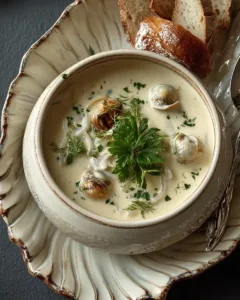
Serve Oyster Stew hot in warmed bowls. Garnish with parsley and a light dusting of paprika. Pair with crusty bread, oyster crackers, or saltines for texture contrast. A simple green salad makes an excellent side.
Conclusion
Oyster Stew remains a beloved comfort dish thanks to its creamy richness and delicate seafood flavor. This recipe highlights careful technique, quality ingredients, and gentle cooking to ensure success every time. With its smooth texture and satisfying taste, Oyster Stew is perfect for cozy meals and elegant occasions alike. Mastering this recipe allows you to enjoy a classic American favorite that never goes out of style.
FAQs
What makes Oyster Stew different from chowder
Oyster Stew is smoother and cream based without potatoes or thick vegetables.
Can I use canned oysters
Fresh oysters are best, but canned oysters may be used if well drained.
Why should Oyster Stew not boil
Boiling causes dairy separation and makes oysters tough.
How do I know oysters are cooked
They curl at the edges and become plump.
Can I make Oyster Stew ahead of time
It is best served fresh, but the base may be prepared ahead and oysters added just before serving.
Oyster Stew Comfort Made Easy
- Total Time: 40 minutes
- Yield: 4 servings
Description
This Oyster Stew is a rich and creamy seafood classic made with tender oysters, milk, cream, and gentle aromatics. It delivers a smooth texture and deep ocean flavor while remaining comforting and elegant. Perfect for anyone who loves traditional American seafood dishes prepared with care and balance.
Ingredients
Unsalted butter
Leek white part only finely diced
Celery finely diced
Fresh thyme sprig
Martinelli’s White Grape Juice or Pacific Foods Vegetable Broth
All purpose flour
Whole milk at room temperature
Heavy cream with at least ten percent milk fat
Crystal Hot Sauce or Texas Pete Original Hot Sauce
Salt to taste
White or black pepper as desired
Fresh shucked oysters with reserved liquid such as Taylor Shellfish Pacific Oysters or Blue Point Oysters
Fresh parsley finely chopped
Sweet paprika for garnish
Instructions
Melt the butter gently in a medium saucepan over low heat and add the leeks and celery, stirring often until soft and translucent without browning
Add the thyme sprig and cook briefly until aromatic, then pour in the grape juice or vegetable broth and let it gently reduce to concentrate flavor
Lower the heat and stir in the flour until fully absorbed, cooking slowly until bubbling but still pale
Remove the pan from heat and whisk in the milk and cream gradually until smooth
Return the pan to low heat and stir frequently until the mixture thickens, keeping it just below a simmer
Strain the reserved oyster liquid and stir it into the stew base if using
Remove the thyme sprig and blend the mixture until completely smooth using an immersion blender or countertop blender
Season with salt, pepper, and a small amount of hot sauce, adjusting carefully to taste
Gently add the oysters and stir slowly while watching closely
Remove from heat as soon as the oyster edges curl to keep them tender
Serve immediately garnished with parsley and a light dusting of paprika
Notes
Keep the heat low at all times and never allow the stew to boil, as this can cause the dairy to separate and the oysters to toughen
Always strain oyster liquid to remove any shell fragments before adding it to the stew
Season after adding oyster liquid since it naturally contains salt
This stew is best enjoyed fresh but can be gently reheated over very low heat if needed
The recipe can be doubled easily by maintaining the same cooking technique
- Prep Time: 15 minutes
- Cook Time: 25 minutes
- Category: Seafood
- Method: Stovetop
- Cuisine: American