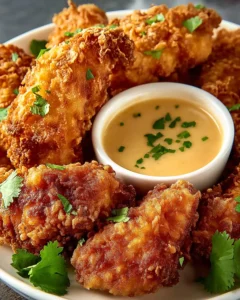
If you love juicy, crunchy fried chicken, then the canes chicken tenders recipe is a must-try. Known for its perfect blend of spices, golden coating, and tender inside, this recipe brings restaurant-style flavor straight to your kitchen. What makes it special is the layered breading, rich marinade, and the signature dipping sauce that ties it all together. With the right techniques, you can recreate this iconic dish without needing a drive-thru.
Making chicken tenders at home gives you the advantage of controlling the ingredients and ensuring freshness. Whether you want a quick family dinner, a party snack, or a game-day favorite, this recipe delivers on taste and texture every single time. You only need simple pantry staples, a good marinade, and the correct frying temperature to master it. Let’s break down the process step by step, so your tenders come out just as crispy and flavorful as your favorite chicken chain.
The Secret Behind Crispy Chicken Tenders
The magic of the canes chicken tenders recipe lies in the preparation. It’s not just about frying chicken; it’s about creating layers of flavor that lock in juiciness while giving you that satisfying crunch. From the marinade to the breading, every detail matters.
The Role of the Marinade
The marinade is the foundation of flavor. By combining buttermilk, egg, and garlic powder, the chicken strips soak up richness while tenderizing the meat. Buttermilk adds tanginess and helps break down the proteins, making the chicken juicy from the inside. Marinating for at least two hours ensures the seasoning penetrates deep. For even bolder flavor, an overnight soak works wonders.
The egg in the marinade acts as a binding agent, helping the flour and seasoning cling to the chicken later. Garlic powder enhances the savory depth, giving every bite a subtle kick without overpowering. Skipping this step results in tenders that taste flat and dry, which is why marinating is non-negotiable in achieving restaurant-quality results.
Building the Perfect Crunch
After marinating, the chicken goes through a careful dredging process. This is where the crispy golden crust comes to life. The flour mix combines all-purpose flour, cornstarch, baking soda, and Italian-style bread crumbs, along with a powerful seasoning blend of black pepper, salt, paprika, onion powder, and garlic powder. Cornstarch is a game-changer here, as it lightens the coating and makes the tenders extra crispy.
The trick is double-dipping. First, the chicken gets coated in seasoned flour, then dipped into a buttermilk mixture, and finally tossed back into the flour mix. This three-layer system ensures that the crust sticks firmly, puffs up beautifully in hot oil, and gives that signature crunch that everyone craves. Letting the dredged chicken rest on a wire rack before frying allows the coating to set, preventing it from falling off in the oil.
Another secret lies in the seasoning. Using smoked paprika provides a subtle smoky undertone that pairs perfectly with fried chicken. Meanwhile, the salt and pepper balance everything out, giving you layers of flavor in each bite. Together, the marinade and breading process are what set this recipe apart from regular homemade chicken strips.
Print
Canes Chicken Tenders Recipe
- Total Time: 1 hour
- Yield: 6 servings
Description
Crispy, golden chicken tenders inspired by Canes. Juicy inside with a crunchy coating and paired with a creamy signature dipping sauce.
Ingredients
3 chicken breasts, cut into strips
4–5 cups canola oil
Marinade:
1 cup buttermilk
1 egg
1 tbsp garlic powder
Flour Mix:
1 1/2 cups flour
1 tbsp cornstarch
1 tsp baking soda
1 cup Italian bread crumbs
Prepared seasoning blend
Seasoning Blend:
1 tbsp black pepper
1 tbsp kosher salt
1 tbsp smoked paprika
1 tbsp garlic powder
1 tbsp onion powder
Dredge:
3/4 cup buttermilk
1 tbsp seasoning blend
Sauce:
1/2 cup mayonnaise
1/4 cup ketchup
1/4 cup Crystal Worcestershire Sauce
1/2 tsp garlic powder
1/2 tsp black pepper
1 tbsp white vinegar
Instructions
1. In a medium bowl, beat the egg and whisk in buttermilk and garlic powder to make the marinade.
2. Add chicken strips, coat well, and marinate at least 2 hours or overnight.
3. Prepare the seasoning blend and set aside.
4. In a large bowl, combine flour, cornstarch, baking soda, bread crumbs, and seasoning blend.
5. In a separate bowl, mix 3/4 cup buttermilk with 1 tbsp seasoning blend for the dredge.
6. Remove chicken from marinade. Dip in flour mix, then dredge mixture, then back into flour mix. Rest on wire rack for 10 minutes.
7. Heat canola oil in a Dutch oven to 350°F.
8. Fry chicken tenders in batches, 3–4 minutes per side, until golden brown and cooked through (165°F internal temp).
9. Drain on a wire rack lined with paper towels.
10. In a small bowl, mix mayonnaise, ketchup, Crystal Worcestershire, vinegar, garlic powder, and black pepper to make the dipping sauce.
11. Serve tenders hot with the sauce and sides of choice.
Notes
Do not overheat the oil. Medium-high heat ensures the inside cooks through while the outside stays golden and crisp.
Canola oil gives a rich crunch, but vegetable oil works too.
Resting the dredged chicken helps the coating stick better during frying.
For a deeper flavor, marinate the chicken overnight.
- Prep Time: 20 minutes
- Cook Time: 20 minutes
- Category: Appetizer, Main Dish, Easy Dinner
- Method: Frying
- Cuisine: American
Mastering the Frying Technique
Once the chicken is marinated and coated, the frying step is what transforms the preparation into golden perfection. Getting this part right is crucial. Frying may seem simple, but temperature control and timing can make or break your tenders.
Choosing the Right Oil
The canes chicken tenders recipe traditionally uses canola oil, which is an excellent choice for deep frying. It has a high smoke point, meaning it can withstand higher heat without burning, and it imparts a neutral flavor that lets the seasoning shine. Vegetable oil is also a good alternative if you don’t have canola on hand. Both oils produce a beautiful golden crust while keeping the chicken juicy inside.
The amount of oil matters, too. You’ll need about four to five cups to properly submerge the chicken tenders. Using enough oil ensures even cooking and prevents the tenders from sticking to the bottom of the pot. A heavy-bottomed Dutch oven or a deep stock pot is best for maintaining steady heat.
Perfecting Oil Temperature
The key to success with fried chicken is keeping your oil at the right temperature, ideally between 350°F and 365°F. Too hot, and the outside crisps up before the inside cooks through. Too cool, and the tenders absorb excess oil, leaving them greasy and soggy instead of crunchy.
To test the oil, you can sprinkle a bit of flour into it. If it sizzles immediately and floats, the oil is ready. Another method is to use a kitchen thermometer, which ensures precise control. Maintaining consistent heat is especially important when frying multiple batches. Letting the oil recover for a minute or two between rounds helps keep each piece evenly fried.
Frying the Chicken Tenders
Using tongs, carefully lower each chicken strip into the hot oil. Avoid overcrowding the pot, as this lowers the oil temperature and leads to uneven cooking. Fry the tenders in small batches, usually three to four pieces at a time. Cook each side for about three to four minutes until they are deep golden brown.
You’ll know the tenders are done when the internal temperature reaches 165°F. If you don’t have a thermometer, another way to check is by cutting into one piece. The meat should be white and juicy with no pink inside. Once cooked, transfer the tenders to a wire rack lined with paper towels. This allows excess oil to drain off while keeping the crust crispy.
Common Frying Mistakes to Avoid
Many home cooks make simple errors that affect the final texture. The most common mistake is rushing the process by frying over excessively high heat. While this might give you a crispy outside, the chicken inside often remains raw. On the other hand, frying at low heat produces limp, oily strips.
Another mistake is skipping the resting step after dredging. Allowing the coated chicken to rest before frying gives the breading time to adhere, preventing it from sliding off during cooking. Finally, avoid flipping the tenders too often. Let each side cook undisturbed for a few minutes before turning to achieve a consistent golden crust.
Mastering the frying stage ensures your canes chicken tenders recipe turns out crunchy on the outside and tender inside every time. Once you have the oil temperature, timing, and technique down, you’ll be amazed at how close these taste to the original.
The Signature Dipping Sauce
No canes chicken tenders recipe would be complete without the creamy, tangy, and slightly sweet dipping sauce. It’s the element that takes crispy chicken from good to unforgettable. The sauce balances the savory crunch of the tenders with a smooth richness that keeps you coming back for more.
Ingredients That Make It Special
The base of this sauce is mayonnaise, which provides a creamy foundation. Ketchup adds sweetness and a touch of acidity, while white vinegar brightens the flavor. The Crystal Worcestershire element introduces depth with a subtle savory punch, enhanced by garlic powder and black pepper. Together, these simple ingredients create a complex taste that pairs perfectly with fried chicken.
The best part about this sauce is its balance. It’s not too spicy, not overly sweet, and not overwhelmingly tangy. Instead, every bite complements the crunchy chicken with a satisfying creaminess. The vinegar also cuts through the richness, ensuring that the sauce enhances rather than overpowers.
How to Make the Sauce
Making this dipping sauce is incredibly easy and requires no cooking. All you need to do is whisk the ingredients together until smooth. Once prepared, the sauce benefits from resting in the fridge for at least 30 minutes. This allows the flavors to meld and develop into a more harmonious blend. The longer it sits, the better it tastes.
Here’s a quick breakdown of the process:
- In a small bowl, add mayonnaise and ketchup.
- Stir in Crystal Worcestershire, white vinegar, garlic powder, and black pepper.
- Mix until creamy and uniform.
- Refrigerate before serving.
This makes enough sauce for a batch of tenders, but you can easily double it if serving a larger crowd.
Why the Sauce Matters
While the chicken is delicious on its own, the dipping sauce is what makes this recipe memorable. It acts as the perfect finishing touch, much like the signature sauce at popular chicken restaurants. Without it, the dish feels incomplete. With it, you elevate the meal into something that rivals the original.
What’s more, the sauce isn’t limited to chicken tenders. It works wonderfully as a dip for fries, a spread for sandwiches, or even a topping for burgers. Once you try it, you’ll want to keep a jar of it in your fridge for multiple uses.
The secret to the authentic canes chicken tenders recipe lies not only in the crispy chicken but also in this signature sauce. Together, they create a combination that’s nearly impossible to resist.
Serving and Presentation Tips
Now that you’ve mastered both the chicken tenders and the dipping sauce, the next step is serving them in a way that makes the meal feel just as exciting as dining out. Presentation matters more than many people realize. When food looks appealing, it instantly feels more satisfying.
Pairing with Sides
The canes chicken tenders recipe is versatile and pairs beautifully with a variety of sides. A classic choice is crinkle-cut fries, which echo the style of popular chicken chains. Their ridges hold onto ketchup or extra dipping sauce, making them the perfect companion. Coleslaw is another favorite, offering a crisp and tangy contrast to the rich chicken.
For something lighter, consider a fresh garden salad with a simple vinaigrette. The crunch of vegetables balances out the fried tenders and adds a refreshing element to the plate. You can also serve the chicken with buttery toast for a complete meal. This combination of crispy tenders, fries, slaw, and toast makes the experience feel just like ordering a combo meal from a restaurant.
Plating for Maximum Appeal
How you arrange the food makes a difference. Place the chicken tenders in the center of the plate, stacked slightly to highlight their golden brown color. Add a small bowl of dipping sauce on the side, positioned for easy access. Arrange fries or another side neatly rather than scattering them across the plate. This simple organization gives a polished look.
If serving for a party or family gathering, consider using a large platter. Lay the tenders in a circular pattern with sauce bowls in the center for dipping. Garnish with parsley or sliced pickles to add color and freshness. Guests will be drawn to the platter, and the meal will feel instantly more festive and welcoming.
Creative Serving Ideas
Beyond traditional plating, there are creative ways to enjoy chicken tenders. Wrap them in tortillas with lettuce, tomato, and sauce to create crispy chicken wraps. Use them in sandwiches with toasted buns, lettuce, and extra sauce for a satisfying lunch option. For kids, serve them with fun sides like mac and cheese or fruit slices for a balanced plate that feels exciting.
Even the dipping sauce can be part of the presentation. Serve it in small ramekins or decorative bowls to make it feel special rather than just spooned onto the plate. Small touches like this transform a homemade dish into something that looks restaurant-worthy.
Serving is about more than just eating. It’s about creating an enjoyable experience. With the right sides, thoughtful plating, and a little creativity, your canes chicken tenders recipe will not only taste incredible but also look irresistible.
Tips for Success and Delicious Variations
Perfecting the canes chicken tenders recipe at home comes down to mastering a few key details. Once you understand these tips, you’ll not only get consistent results every time but also have the freedom to create your own variations.
Essential Tips for Success
- Don’t skip the marinade – Buttermilk and egg work together to tenderize the chicken and lock in flavor. Even a short two-hour soak makes a noticeable difference, but overnight marination is ideal.
- Rest the dredged chicken – After coating the tenders, let them rest on a wire rack for at least 10 minutes. This helps the breading adhere so it doesn’t fall off in the fryer.
- Maintain oil temperature – Use a thermometer if possible. Keep the oil between 350°F and 365°F for best results. If the temperature drops, the chicken absorbs too much oil; if it rises too high, the coating burns before the meat cooks through.
- Cook in batches – Overcrowding the pot lowers the oil temperature. Fry three to four tenders at a time to keep everything crisp and evenly cooked.
- Drain properly – Place fried tenders on a wire rack instead of paper towels. This prevents steam from softening the crust and keeps the chicken crunchy.
Variations to Try
While the classic version is unbeatable, you can experiment with flavors to keep things interesting.
- Spicy Kick: Add cayenne pepper or chili powder to the seasoning blend for a bolder, spicier crust. Pair it with a creamy ranch-style dip to balance the heat.
- Herb Infusion: Mix dried herbs like oregano, thyme, or parsley into the flour coating for a fresh, aromatic twist.
- Cheesy Crust: Add finely grated cheddar or a halal-certified parmesan-style cheese to the breading for a subtle cheesy flavor that melts slightly during frying.
- Baked Alternative: For a lighter option, bake the coated tenders on a wire rack at 400°F until golden and crispy. While not as indulgent as frying, it still delivers satisfying crunch with less oil.
- Air Fryer Method: Coat tenders lightly with oil spray and cook in an air fryer at 375°F for 12–15 minutes. This method is quicker, cleaner, and produces crispy results without deep frying.
Expanding the Sauce Options
Although the traditional dipping sauce is a star, you can switch things up with alternatives:
- A creamy ranch made with mayonnaise, buttermilk, and fresh herbs.
- A honey mustard blend of Dijon mustard, honey, and a splash of vinegar.
- A smoky barbecue sauce made from tomato paste, honey, and spices.
Experimenting with different dips adds variety to the meal and gives you endless reasons to return to this recipe.
Mastering these tips and experimenting with small changes ensures that your canes chicken tenders recipe never gets boring. Whether you stick to the classic version or add your own twist, the result will always be crispy, juicy, and crowd-pleasing.
Conclusion
Recreating the canes chicken tenders recipe at home is more than just cooking fried chicken. It’s about capturing the balance of flavors, the texture of a golden crust, and the satisfaction of dipping each tender into a creamy, tangy sauce. With the right marinade, careful dredging process, and precise frying technique, you can achieve tenders that rival the best restaurants.
The beauty of this recipe lies in its simplicity. The ingredients are everyday staples, the steps are straightforward, and the results are consistently impressive. Whether you follow the classic approach or experiment with spicy, cheesy, or baked variations, these chicken tenders always deliver on flavor.
Serving them with fries, coleslaw, or buttery toast makes the meal feel complete, while thoughtful presentation elevates it into something special. And of course, the signature dipping sauce ties everything together, transforming crispy chicken into a crave-worthy dish that leaves no leftovers.
With these tips, you’ll not only master the canes chicken tenders recipe but also have a go-to dish for family dinners, casual gatherings, or game-night feasts. Once you taste the combination of juicy chicken, crunchy coating, and flavorful sauce, you’ll understand why this recipe has become a household favorite.