Introduction
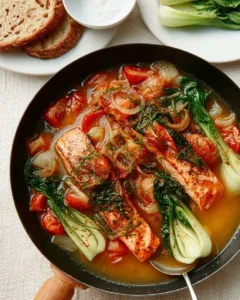
Sinigang na Salmon Belly is a comforting Filipino inspired soup that balances rich seafood flavor with a bright, tangy broth. This version of Sinigang na Salmon Belly is designed for home cooks in the United States who want a hearty, nourishing meal using accessible ingredients while preserving authentic taste. The tender salmon belly, fresh vegetables, and signature sour profile make Sinigang na Salmon Belly a satisfying dish for everyday cooking. With careful preparation and thoughtful seasoning, this recipe delivers depth, freshness, and warmth in every spoonful.
Equipment
Large heavy bottom pot with lid
Wide skillet or sauté pan
Sharp chef knife
Cutting board
Wooden spoon or silicone spatula
Measuring cups and spoons
Ladle for serving
Ingredients List
One pound salmon belly, skin on, sliced into large chunks and patted very dry for proper searing
Half medium yellow onion, finely diced for sweetness and aroma
Two ripe Roma tomatoes, diced to release natural acidity
One cup taro root, peeled and cut into two inch pieces for creaminess
Three quarters cup fresh string beans, trimmed and cut into two inch lengths
Four cups chicken broth or clean water, warmed slightly
One packet tamarind based sinigang seasoning, adjust to taste
One and a half tablespoons Red Boat Fish Sauce, Three Crabs Fish Sauce, or Blue Dragon Fish Sauce
Four large bundles bok choy, leaves separated and rinsed well
One tablespoon olive oil or avocado oil for searing
Step by Step
Heat a wide skillet or large pot over medium high heat until fully warmed. Add the olive oil and swirl to coat the bottom evenly. Carefully place the salmon belly pieces into the pan without overcrowding. Sear each side for about one minute until lightly golden. The goal is surface color, not full cooking. Remove the salmon gently and set aside on a plate.
Using the same pot, add the diced onion and tomatoes. Stir continuously for about one minute until the onions begin to turn translucent and the tomatoes soften slightly. This step builds the flavor base of the soup and releases natural sweetness and acidity.
Pour in the chicken broth or water and stir gently to lift any flavorful bits from the bottom of the pot. Cover with a lid and bring the liquid to a rolling boil. This helps marry the aromatics with the broth and sets the foundation for the sour soup.
Add the taro pieces and string beans to the boiling broth. Reduce heat slightly, cover, and cook for about five minutes. The taro should begin to soften and release starch, which naturally thickens the soup. The beans should be tender but still vibrant.
Gently slide the seared salmon belly back into the pot. Make sure the broth fully covers the fish. Cover again and simmer for about five minutes until the salmon is just cooked through. Stir very carefully to avoid breaking the fish apart, as salmon belly is delicate.
Sprinkle in the sinigang seasoning gradually while tasting the broth. Adjust the amount until the sourness matches your preference. Once the tang is balanced, add the fish sauce. Taste again and fine tune the seasoning if needed.
Add the bok choy leaves to the pot and gently submerge them in the broth. Cook for two to three minutes until just wilted and tender. Turn off the heat immediately to preserve the fresh texture and color of the greens. Ladle the soup into bowls and serve hot.
Tips and Tricks
Always pat the salmon belly dry before searing to prevent splattering and ensure proper browning. This step enhances flavor without overcooking the fish later in the broth.
Use ripe tomatoes for the best balance of sweetness and acidity. Under ripe tomatoes can make the soup taste flat.
Add sinigang seasoning in stages rather than all at once. Different brands vary in intensity, and gradual seasoning prevents overpowering sourness.
Stir gently after adding the salmon. Vigorous stirring will cause the fish to flake and cloud the broth.
If taro is unavailable, you may substitute with daikon radish or Yukon gold potatoes, though the texture will differ slightly.
Allow the soup to rest for a few minutes before serving. This helps the flavors settle and become more cohesive.
Notes
Salmon belly is prized for its richness and high fat content, which makes the broth fuller and more luxurious. If your salmon belly has skin, leaving it on adds flavor and helps keep the pieces intact during cooking.
Sinigang na Salmon Belly is traditionally sour, but personal preference matters. Some prefer a sharp tang, while others enjoy a milder balance.
Chicken broth adds depth, while water results in a lighter soup. Choose based on your desired richness.
Avoid overcooking the vegetables. Slight crunch enhances texture and visual appeal.
This soup is best enjoyed fresh, as reheating can cause the salmon to break apart.
Storage
Allow the soup to cool completely before storing. Transfer to an airtight container to preserve freshness and prevent odor transfer in the refrigerator.
Refrigerated Sinigang na Salmon Belly stays fresh for up to two days. The broth may thicken slightly as it rests due to the taro.
When reheating, warm gently over low heat. Avoid boiling to protect the texture of the salmon.
If freezing is necessary, remove the salmon pieces and freeze the broth and vegetables separately for best results.
Benefits
Sinigang na Salmon Belly provides high quality protein and beneficial omega three fatty acids that support heart health and brain function.
Salmon belly is rich in vitamin D and B vitamins, which help with energy levels and immune support.
The vegetables contribute fiber, vitamin C, and antioxidants that aid digestion and overall wellness.
This dish is well suited for people seeking comforting meals with balanced nutrition. Those sensitive to sour foods may want to reduce the seasoning level.
Variations
Add sliced radish for extra crunch and mild sweetness.
Include okra for a thicker broth texture.
Use spinach instead of bok choy for a softer green element.
Incorporate fresh green chilies for gentle heat without overpowering the sour profile.
Serving Suggestions
Serve Sinigang na Salmon Belly with freshly steamed white rice to balance the tangy broth. A small side of sliced cucumbers adds a refreshing contrast.
Conclusion
Sinigang na Salmon Belly is a deeply satisfying soup that blends rich seafood, fresh vegetables, and a bright tangy broth into one comforting bowl. This recipe keeps the process approachable while honoring the traditional flavors that make Sinigang na Salmon Belly so beloved. With proper technique and thoughtful seasoning, this dish becomes a reliable favorite for both weeknight meals and special family gatherings.
FAQs
What makes salmon belly ideal for sinigang
Salmon belly has higher fat content, which enriches the broth and keeps the fish tender.
Can I use frozen salmon belly
Yes, fully thaw and pat dry before cooking for best results.
Is sinigang always sour
Yes, the signature characteristic of sinigang is its sour broth, adjusted to taste.
Can I prepare this ahead of time
It is best made fresh, but you can prep vegetables and broth in advance.
What can replace taro
Daikon radish or potatoes work well as alternatives.
Sinigang na Salmon Belly Bold Comfort
- Total Time: 40 minutes
- Yield: 4 servings
Description
Sinigang na Salmon Belly is a comforting, tangy soup made with rich salmon belly simmered in a savory sour broth with fresh vegetables. This recipe highlights tender salmon, vibrant greens, and a balanced sour profile that feels both hearty and refreshing. It is ideal for home cooks looking for a nourishing seafood dish that delivers deep flavor without complicated steps.
Ingredients
Salmon belly cut into large chunks and patted dry
Yellow onion finely diced for aroma and sweetness
Ripe tomatoes diced to release natural acidity
Taro root peeled and cut into large pieces for a creamy texture
Fresh string beans trimmed and cut into even lengths
Chicken broth or clean water as the soup base
Tamarind based sinigang seasoning adjusted to taste
Red Boat Fish Sauce or Three Crabs Fish Sauce or Blue Dragon Fish Sauce
Bok choy leaves separated and washed thoroughly
Olive oil or avocado oil for searing
Instructions
Heat a large pot or wide pan until hot and add the oil, then gently sear the salmon belly until lightly golden on the outside and set aside
In the same pot sauté the onions and tomatoes until softened and fragrant
Pour in the broth or water and bring to a gentle boil while scraping the bottom for flavor
Add the taro and string beans and cook until just starting to become tender
Carefully return the salmon belly to the pot and simmer until the fish is fully cooked
Season gradually with sinigang seasoning until the desired sourness is reached
Add the fish sauce and adjust seasoning to balance sour and savory notes
Add the bok choy leaves and cook just until wilted, then turn off the heat and serve hot
Notes
Salmon belly adds richness to the broth due to its natural fat content
Avoid stirring aggressively once the fish is added to keep the pieces intact
Adjust sourness slowly since seasoning blends vary in strength
Vegetables should be tender but not overcooked to keep texture and color
This soup tastes best when served immediately after cooking
- Prep Time: 15 minutes
- Cook Time: 25 minutes
- Category: Main Dish
- Method: Simmering
- Cuisine: Filipino Inspired